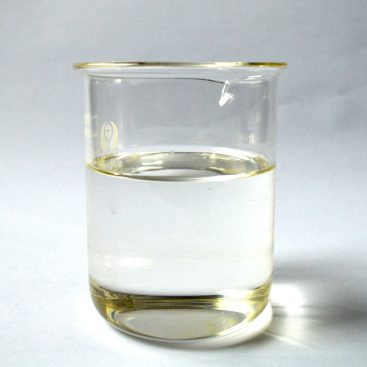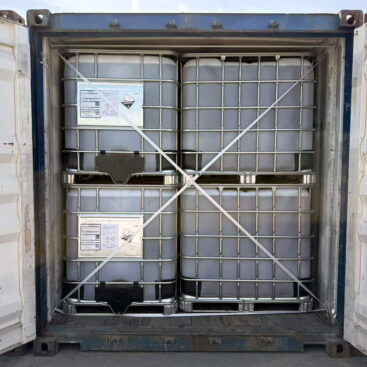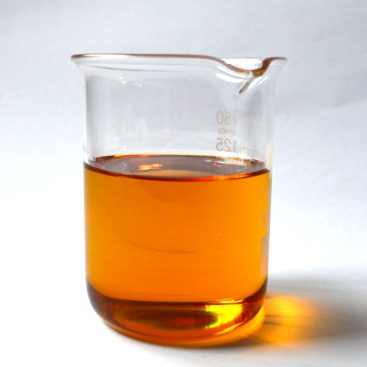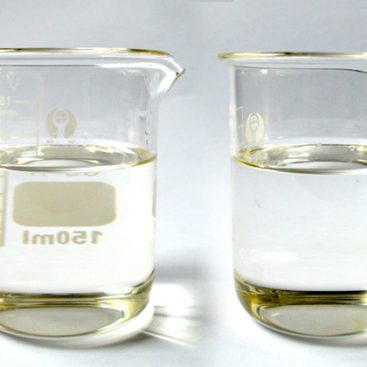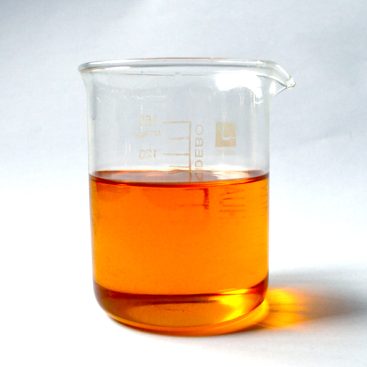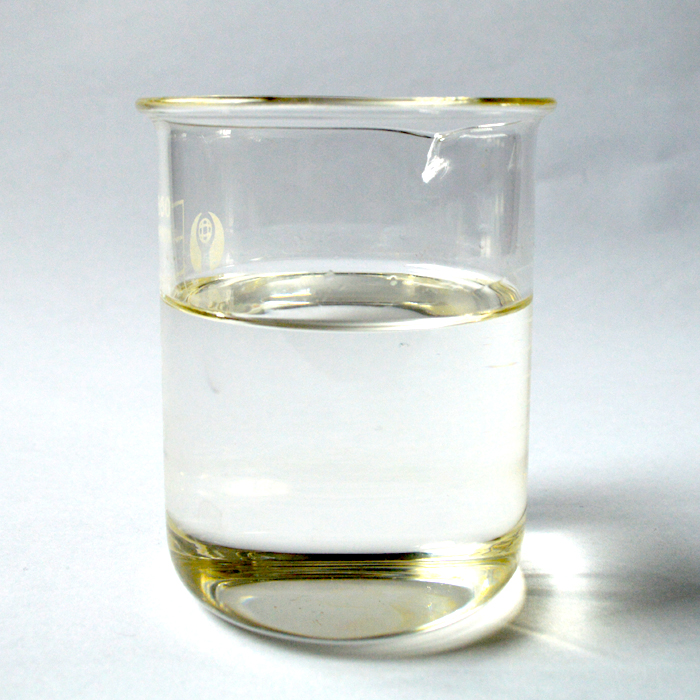
Bis(2,4,4-Trimethylpentyl)Phosphinsäure ist eine Organophosphorverbindung mit bedeutenden Anwendungen in Forschung und Industrie, insbesondere als Extraktionsmittel und Ligand.
Hier finden Sie einen umfassenden Überblick über die wichtigsten Spezifikationen:
CAS: 83411-71-6
EG-Nr.: 280-445-7
Formel: C16H35O2P
Mol. Gew.: 290.42
Konzentration: ≥94 %
UN-Nummer: 3082
Transportgefahrenklasse: 9
Verpackungsgruppe: III
📋 Allgemeine Informationen
CAS-Nummer: In der Literatur sind diesem Stoff zwei CAS-Nummern zugeordnet: 83411-71-6 Und 27661-42-3.
Molekülformel: C₁₆H₃₅O₂P
Molekulargewicht: 290.42 g/Mol
Synonyme: Diisooctylphosphinsäure, Cyanex 272, Ionquest 290.
⚗️ Physikalische und chemische Eigenschaften
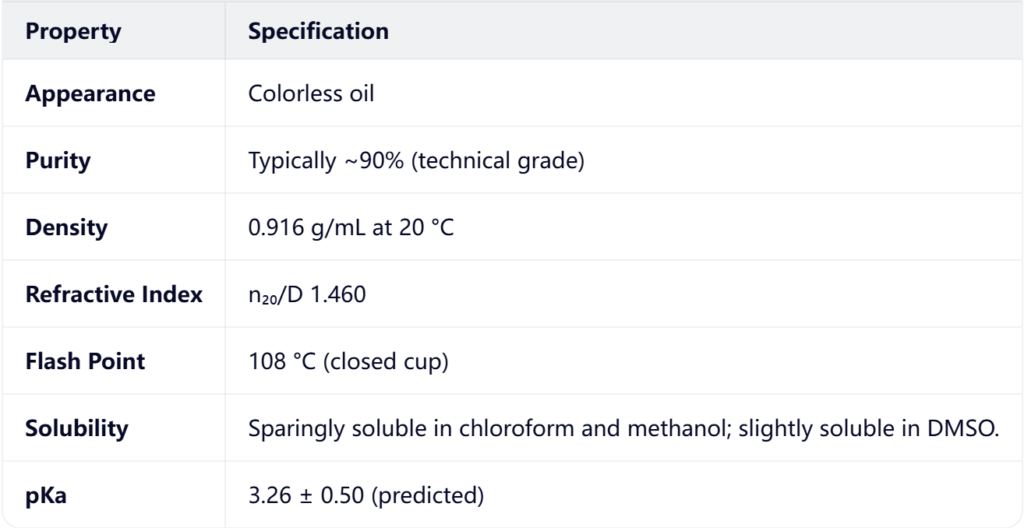
Die folgende Tabelle fasst die wichtigsten physikalischen und chemischen Eigenschaften von Bis zusammen(2,4,4-Trimethylpentyl)Phosphinsäure.
🧪 Bewerbungen
Bis(2,4,4-Trimethylpentyl)Phosphinsäure ist ein vielseitiges Reagenz, das in verschiedenen Spezialgebieten eingesetzt wird:
Lösungsmittelextraktion: Es wird häufig als saures Extraktionsmittel zur Trennung und Rückgewinnung von Metallionen verwendet, wie Indium(III) und andere zweiwertige Metalle (Z.B., Zn²⁺, Cu²⁺, Pb²⁺).
Nanomaterialsynthese: Es dient als oberflächenpassivierender Ligand bei der Synthese von “magische Größe” Nanokristalle, wie CdSe und CdTe.
Extraktion überkritischer Flüssigkeiten (SFE): Die Verbindung fungiert als saurer Ligand und erleichtert die Extraktion von Metallen aus Matrizen wie Sand und Flugasche mithilfe von überkritischem CO₂.
⚠️ Sicherheit und Handhabung
Beim Umgang mit dieser Chemikalie, Es ist wichtig, die richtigen Sicherheitsprotokolle zu befolgen.
Gefahrenklassifizierung: Es wird als augenreizend eingestuft (Category 2).
Gefahrenhinweis: Verursacht schwere Augenreizung (H319).
Sicherheitshinweise:
Schutzhandschuhe und Augen-/Gesichtsschutz tragen.
WENN IN AUGEN: Einige Minuten lang vorsichtig mit Wasser spülen. Kontaktlinsen entfernen, falls vorhanden und einfach durchzuführen. Spülen Sie weiter.
Lagerung: Bei Raumtemperatur in einem verschlossenen Behälter aufbewahren. Es gilt als brennbare Flüssigkeit.
Unsere Metallextraktionsmittel siehe unten, wenn Sie irgendeine Art benötigen, Bitte fragen Sie uns:
- P204 (D2EHPA oder HDEHP) Dies wird als erster Schritt zur Entfernung von Verunreinigungen aus dem Laterit-Nickelerz verwendet.
- DY319 Hocheffizientes Nickel-Kobalt-Koextraktionsmittel für das Batterierecycling, kann Nickel und Kobalt zusammen aus dem Elektrolyten von Lithiumbatterien entfernen.
- DY272 Extraktionsmittel zur Nickel-Kobalt-Abtrennung, Es kann Kobalt aus einer Nickel-Kobalt-Lösung entfernen, dann belassen Sie reines Nickel.
- DY988N/DY973N/DY902/DY5640 Kupfer-Lösungsmittel-Extraktionsreagenz.
- P507 Nichteisenmetall-Extraktionsmittel für Kupfer, Zink, Kobalt-Nickel, Cadmium, Gold-Silber, Metalle der Platingruppe, Seltene Erden und so weiter.
- DY377 effizientes Extraktionsmittel zur Nickel- und Diamanttrennung.
- DY366 Scandium-Extraktionsmittel.
- DY316 Lithium-Extraktionsmittel.
- DY-SS-01 Extraktionsmittel für Eisen, Kalzium, Cadmium und Scandium bei unterschiedlichen pH-Werten.