 English
 العربية
 azərbaycan dili
 বাংলা
বাংলা Français
 Deutsch
 Indonesia
 한국어
한국어 Melayu
 پارسی
پارسی Polski
 Português
 Română
 Русский
 Español
 Kiswahili
 ภาษาไทย
 Türkçe
 Українська
 اردو
اردو Tiếng Việt
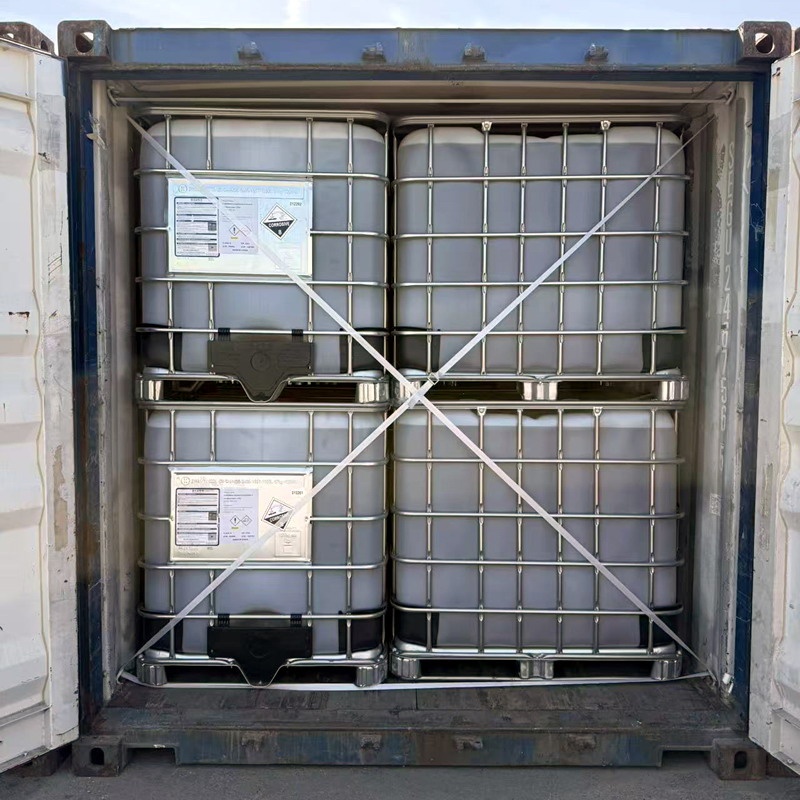
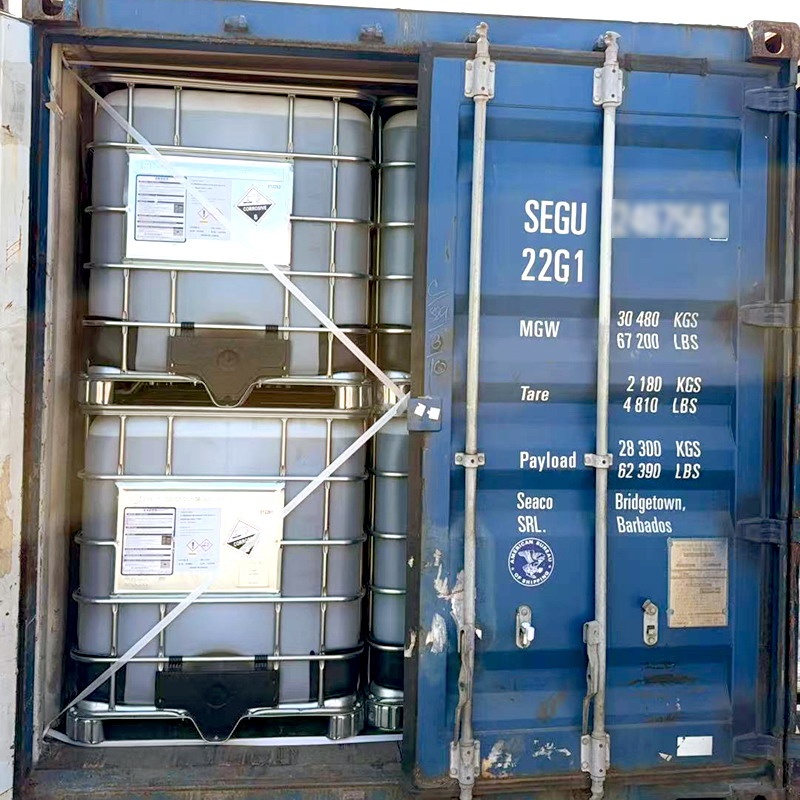
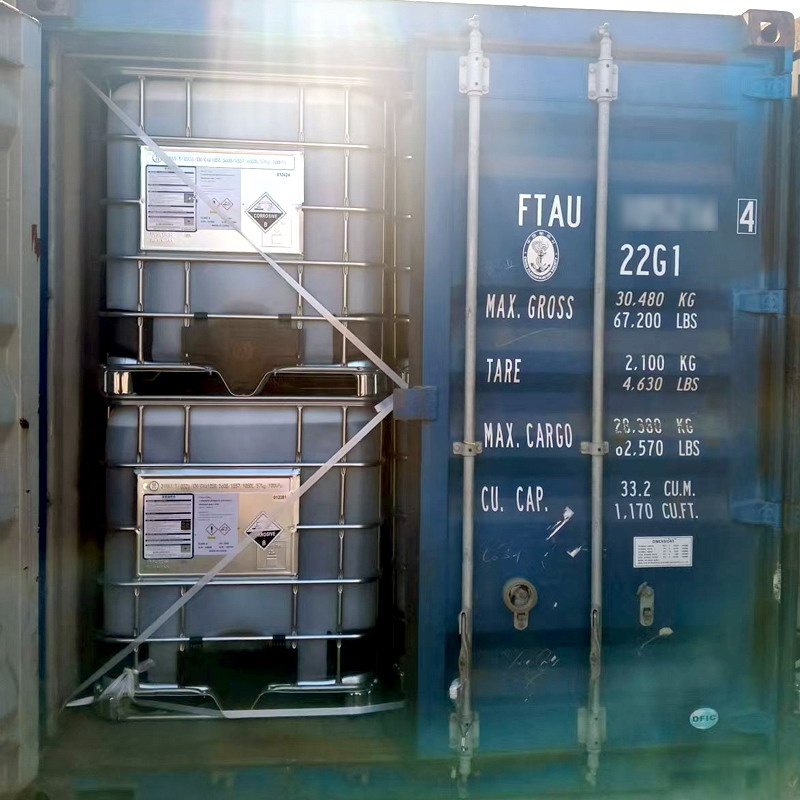
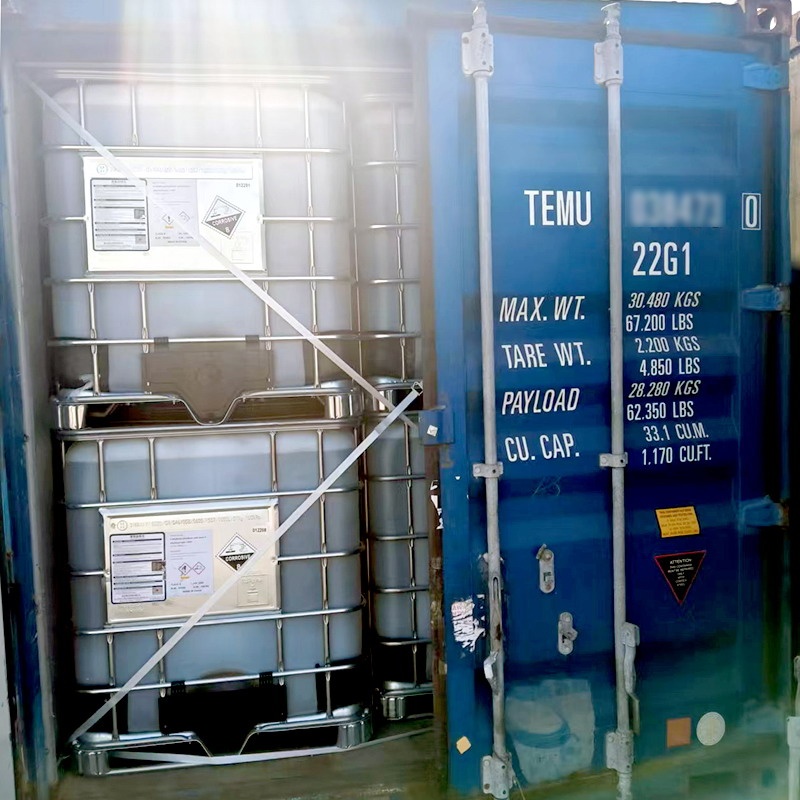
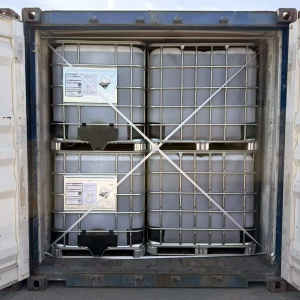
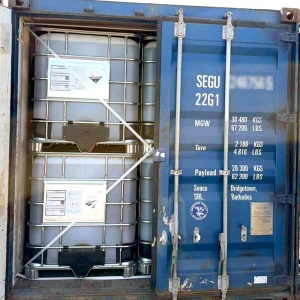
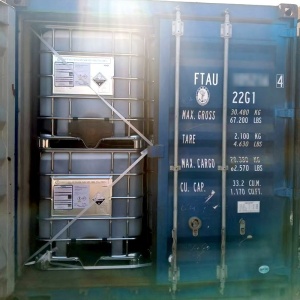
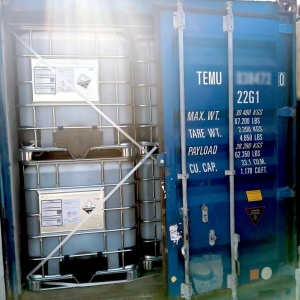
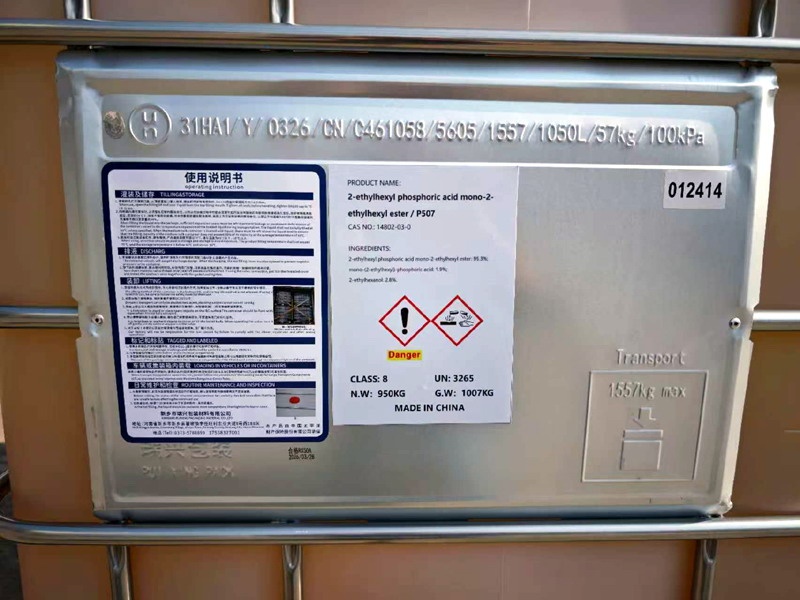
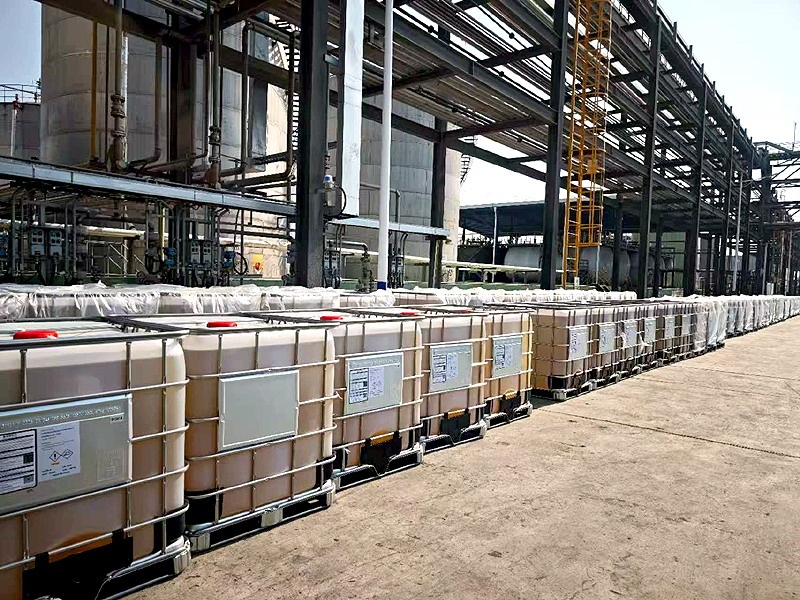
2-ester mono-2-etyloheksylowy kwasu etyloheksylofosforowego (powszechnie znany w światowym przemyśle hydrometalurgicznym jako P507, PC-88A, MŚP 418, Lub HEHEHE) to zaawansowana ekstrakcja kwaśnym rozpuszczalnikiem fosforoorganicznym (SX) odczynnik.
Ten monoester kwasu fosfonowego charakteryzuje się niesymetryczną strukturą chemiczną, która równoważy silną zdolność kompleksowania metali z wyjątkową selektywnością, co czyni go podstawowym silnikiem chemicznym pierwiastka ziem rzadkich (Ree) separacja i rafinacja metalu akumulatorowego o wysokiej czystości.
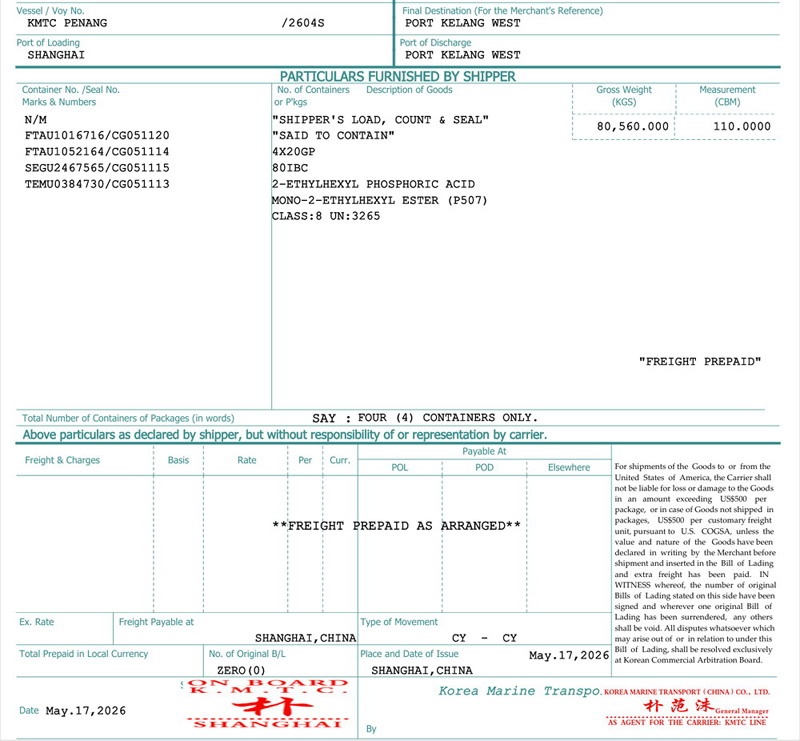
2-ester mono-2-etyloheksylowy kwasu etyloheksylofosforowego może być również nazwany P507, Specyfikacje techniczne jak poniżej:
Nr CAS:14802-03-0
Formuła molekularna: Izomer C16H35O3P
Waga molekularna: 306.427
Numer EINECS: 238-865-3
Gęstość: 0.95 g/ml
Prężność pary: 0.085Więcej i 25 ℃
Współczynnik załamania światła: 1.4400-1.4460
Temperatura zapłonu>100 °C
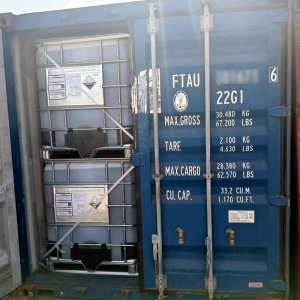
Warunki przechowywania: Przechowywać w temperaturze poniżej +30°C
Rozpuszczalność: rozpuszczalny w toluenie i etanolu
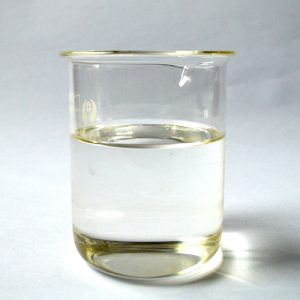
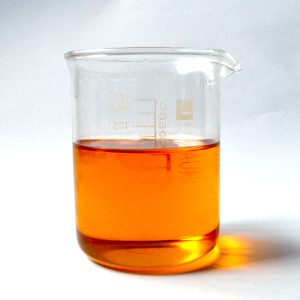
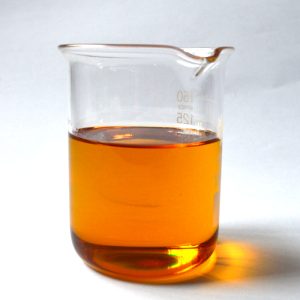
Formularz: Przezroczysty płyn
Współczynnik kwasowości (pKa): 3.1 [Na 20 ℃]
Kolor: bezbarwny do jasnożółtego do jasnopomarańczowego
Wartość pH: 2.3 (10g/l, H2O, 20 °C) (jako emulsja)
Rozpuszczalność w wodzie: 5.95 µg/L w 20 ℃
Temperatura wrzenia>180 °C (1013hPa) rozkłada się
Podstawowe zastosowania przemysłowe
A. Zaawansowany pierwiastek ziem rzadkich (Ree) Frakcjonowanie
W metalurgii lantanowców, oddzielanie sąsiednich pierwiastków ziem rzadkich (takie jak neodym/prazeodym lub samar/gadolin) jest niezwykle wymagający ze względu na “Skurcz lantanowca,” co daje tym pierwiastkom prawie identyczne promienie jonowe.
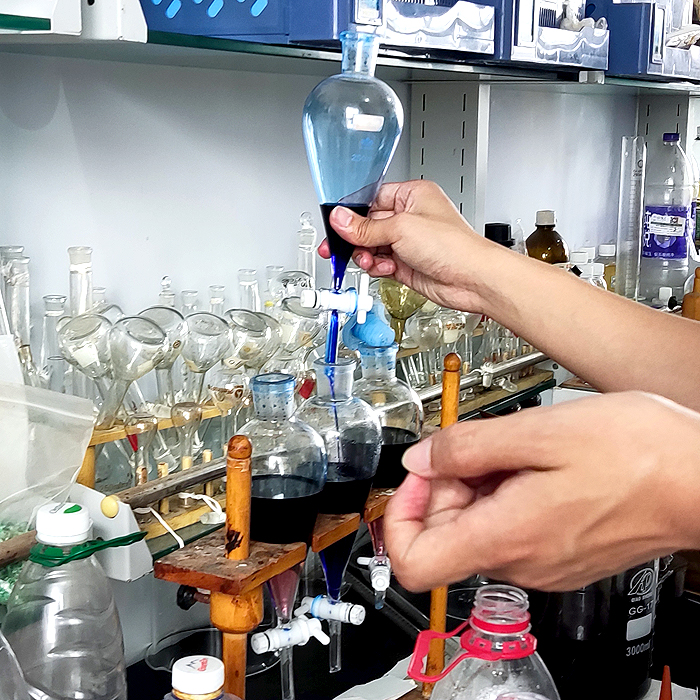
Zaleta P507: 2-Ester mono-2-etyloheksylowy kwasu etyloheksylofosforowego wykazuje znacznie wyższe współczynniki separacji dla tych sąsiadujących pierwiastków w porównaniu do standardowego D2EHPA. Jest stosowany masowo, wielostopniowe kaskady mieszalno-odstojnikowe w celu uzyskania przekraczającej czystość produktu 99.99%.
B. Separacja kobaltu i niklu o wysokiej czystości
Do pojazdu elektrycznego (EW) łańcuchy dostaw chemii akumulatorowej, izolowanie kobaltu (Kojon) czysto z dala od ogromnego niklu (W jonach) matryce tła są krytyczne.
Przy precyzyjnie utrzymanym kwaśnym oknie operacyjnym (pH 4,0–5,0), odczynnik ten jest stabilny, chelaty rozpuszczalne w oleju z jonami kobaltu, pozostawiając nikiel całkowicie odrzucony w wodnym strumieniu rafinatu.
Zalety operacyjne & Wyzwania
Kluczowe korzyści:
Wysoka hydrofobowość: Podwójne rozgałęzione łańcuchy alkilowe 2-etyloheksylu zapewniają wyjątkowo niską rozpuszczalność w wodzie (0.05 g/L), minimalizowanie strat związanych z porywaniem substancji organicznych do przetwarzania roztworów rafinatu.
Wydajna kinetyka usuwania: Ponieważ jego siły kompleksowania metali są termodynamicznie łagodniejsze niż alternatywy fosfinowe (jak DY272), usuwanie obciążonych metali z fazy organicznej wymaga niższych stężeń kwasu solnego lub siarkowego, obniżenie kosztów operacyjnych środków chemicznych.
Mieszalność nośnika: Całkowicie mieszalny ze standardowymi alifatycznymi i niskoaromatycznymi rozcieńczalnikami węglowodorowymi (NP., Ucieczka 110, 260# olej rozpuszczalnikowy).
Przy okazji, nasze ekstrahenty metali jak poniżej, jeśli potrzebujesz, prosimy o kontakt:
- P204 (D2EHPA lub HDEHP) Służy do pierwszego etapu usuwania zanieczyszczeń z rudy niklu laterytowego.
- P507 ekstrahent metali nieżelaznych do miedzi, cynk, kobalt-nikiel, kadm, złoto Srebro, metale z grupy platynowców, pierwiastki ziem rzadkich i tak dalej.
- DY272 Ekstrahent do separacji niklu i kobaltu, może usuwać kobalt z roztworu kobaltu niklu, następnie zostaw czysty nikiel.
- DY984N odczynnik do ekstrakcji rozpuszczalnikiem miedzi.
- QL256-2 Ekstrahent koekstrakcji niklu i kobaltu manganu.
- DY316 Ekstrahent litowy.
- DY319 Wysokowydajny ekstrahent niklowo-kobaltowy do recyklingu akumulatorów, może usunąć nikiel i kobalt razem z elektrolitu baterii litowej.
- DY366 Ekstrahent skandowy.
- DY377 wydajny ekstrahent do separacji niklu i diamentów.