 English
 العربية
 azərbaycan dili
 বাংলা
বাংলা Français
 Deutsch
 Indonesia
 한국어
한국어 Melayu
 پارسی
پارسی Polski
 Português
 Română
 Русский
 Español
 Kiswahili
 ภาษาไทย
 Türkçe
 Українська
 اردو
اردو Tiếng Việt
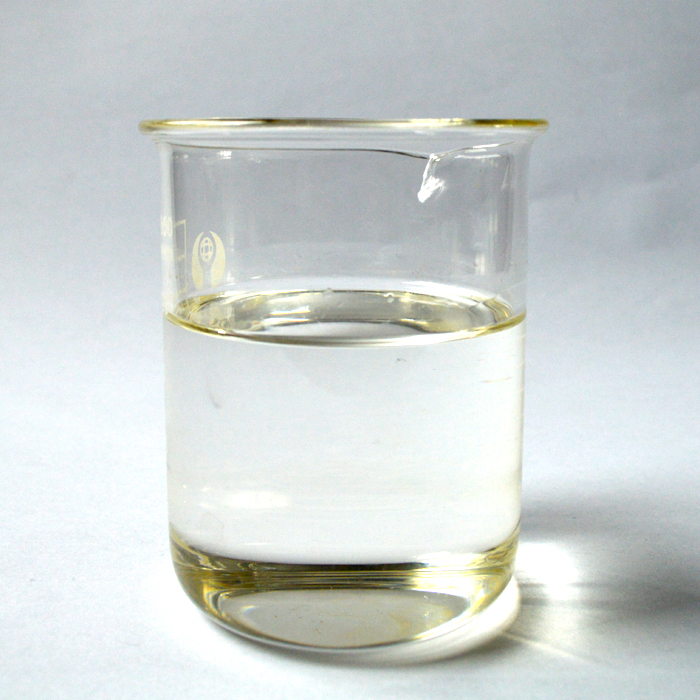
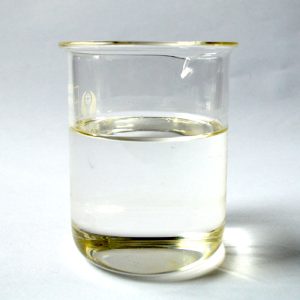
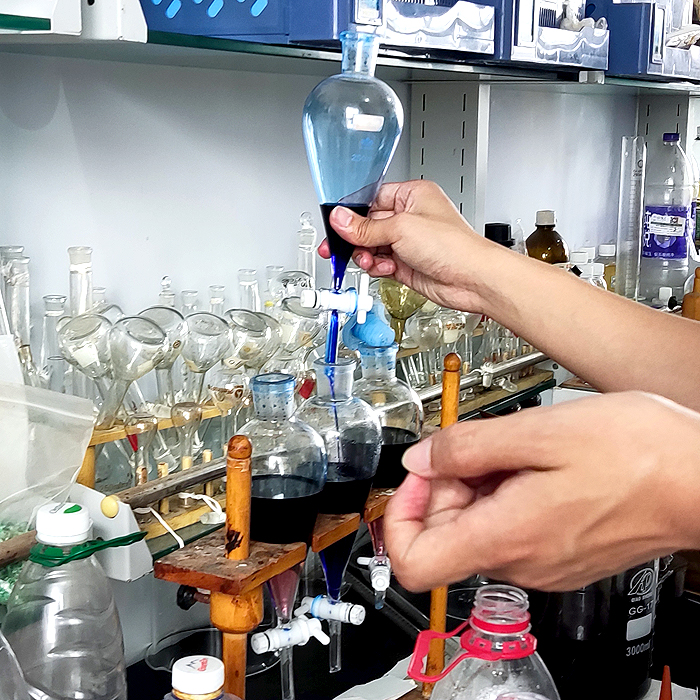
Ekstrahent w płynie jonowym represent a highly innovative class of “designer solvents” in liquid-liquid extraction and hydrometallurgy. Composed entirely of ions with a melting point typically below 100°C, these organic salts are increasingly evaluated as alternatives to traditional volatile organic compounds and molecular extractants due to their near-zero volatility, wysoka stabilność termiczna, and highly tunable nature.
1. Classification of Ionic liquid extractant
In hydrometallurgical processing, ionic liquids are utilized in following primary capacities:
A. ILs as Non-Functionalized Diluents
Instead of kerosene or toluene, a conventional molecular extractant is dissolved inside a highly hydrophobic, chemically inert ionic liquid.
Benefit: Studies indicate that switching from an organic diluent to an IL can enhance metal extraction efficiency and selectivity by several orders of magnitude.
B. Pure ILs as Active Extractants
Many standalone ionic liquids can extract metals directly via their inherent anionic or cationic coordination behavior without needing an auxiliary extractant. Na przykład, phosphonium- or ammonium-based ILs paired with thiocyanate or chloride anions are highly effective at capturing metal-chloro complexes or transitioning heavy metals via anion exchange.
2. Extraction Mechanisms of Ionic liquid extractant
The chemistry of extraction shifts significantly when moving from molecular organic phases to ionic liquid phases.
3. Industrial Advantages & Challenges of Ionic liquid extractant:
Enhanced Performance: Often provides drastically elevated separation factors for notoriously difficult splits.
Process Safety: Non-flammable and zero vapor pressure minimizes fire hazards and volatile emissions.
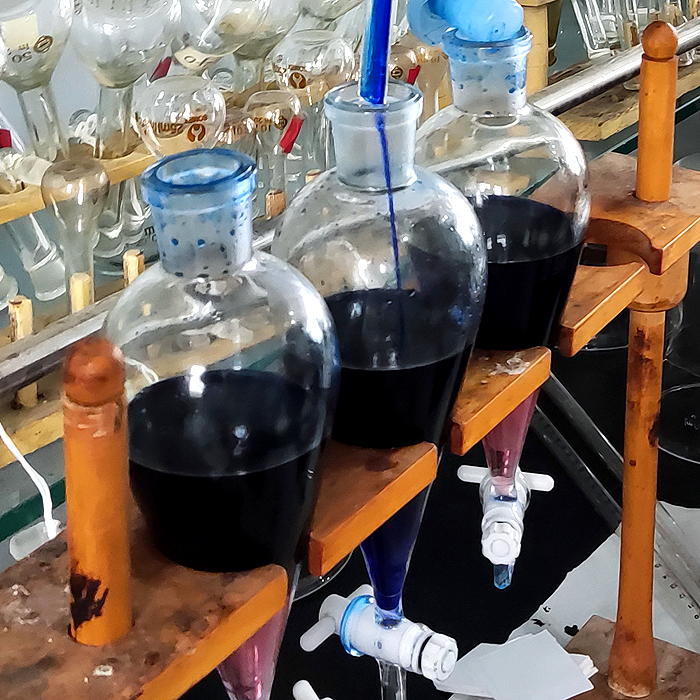
Przy okazji, nasze ekstrahenty metali jak poniżej, jeśli potrzebujesz, prosimy o kontakt:
- P204 (D2EHPA lub HDEHP) Służy do pierwszego etapu usuwania zanieczyszczeń z rudy niklu laterytowego.
- P507 ekstrahent metali nieżelaznych do miedzi, cynk, kobalt-nikiel, kadm, złoto Srebro, metale z grupy platynowców, pierwiastki ziem rzadkich i tak dalej.
- DY272 Ekstrahent do separacji niklu i kobaltu, może usuwać kobalt z roztworu kobaltu niklu, następnie zostaw czysty nikiel.
- DY984N odczynnik do ekstrakcji rozpuszczalnikiem miedzi.
- QL256-2 Ekstrahent koekstrakcji niklu i kobaltu manganu.
- DY316 Ekstrahent litowy.
- DY319 Wysokowydajny ekstrahent niklowo-kobaltowy do recyklingu akumulatorów, może usunąć nikiel i kobalt razem z elektrolitu baterii litowej.
- DY366 Ekstrahent skandowy.
- DY377 wydajny ekstrahent do separacji niklu i diamentów.