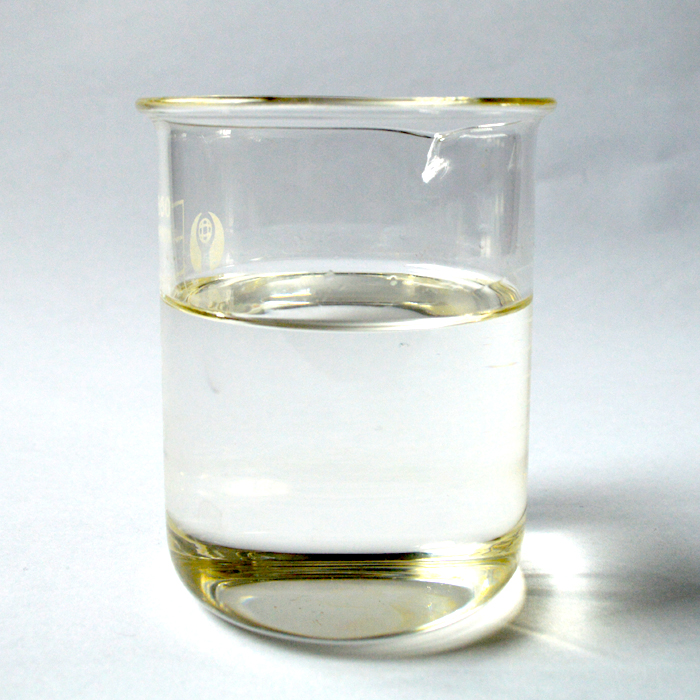
Bis(2,4,4-trimetylopentyl)kwas fosfinowy jest związkiem fosforoorganicznym mającym istotne zastosowanie w badaniach i przemyśle, zwłaszcza jako ekstrahent i ligand.
Oto kompleksowy przegląd jego kluczowych specyfikacji:
CAS: 83411-71-6
Nr WE: 280-445-7
Formuła: C16H35O2P
Mol. wt.: 290.42
Stężenie: ≥94%
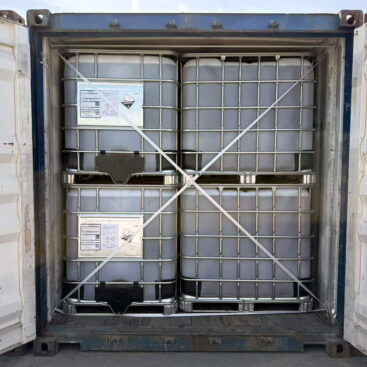
Numer ONZ: 3082
Klasa zagrożenia w transporcie: 9
Grupa pakowania: III
📋 Informacje ogólne
Numer CAS: W literaturze istnieją dwa numery CAS powiązane z tą substancją: 83411-71-6 I 27661-42-3.
Wzór molekularny: C₁₆H₃₅O₂P
Masa cząsteczkowa: 290.42 g/mol
Synonimy: Kwas diizooktylofosfinowy, Cyaneks 272, Ionquest 290.
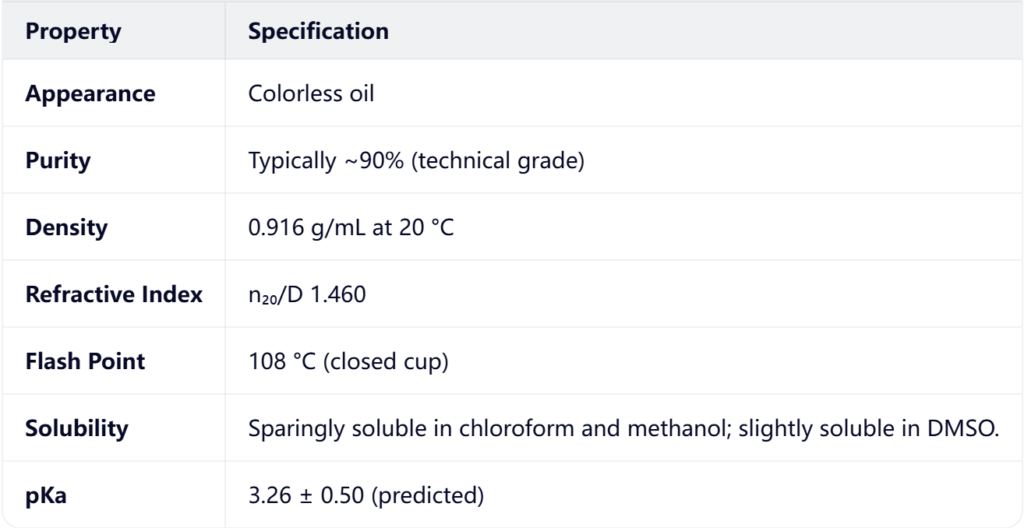
⚗️ Właściwości fizyczne i chemiczne
Poniższa tabela podsumowuje kluczowe właściwości fizyczne i chemiczne Bis(2,4,4-trimetylopentyl)kwas fosfinowy.
🧪 Aplikacje
Bis(2,4,4-trimetylopentyl)kwas fosfinowy jest odczynnikiem wszechstronnym stosowanym w różnych specjalistycznych dziedzinach:
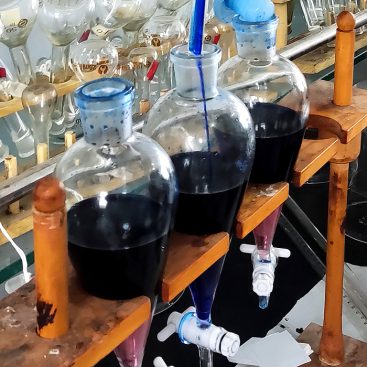
Ekstrakcja rozpuszczalnika: Jest szeroko stosowany jako kwaśny ekstrahent do oddzielania i odzyskiwania jonów metali, takie jak Ind(III) i inne metale dwuwartościowe (NP., Zn²⁺, Cu²⁺, Pb²⁺).
Synteza nanomateriałów: Służy jako ligand pasywujący powierzchnię w syntezie “magiczny rozmiar” nanokryształy, takie jak CdSe i CdTe.
Ekstrakcja płynu nadkrytycznego (SFE): Związek działa jak ligand kwasowy, ułatwiając ekstrakcję metali z osnowy, takiej jak piasek i popiół lotny, przy użyciu nadkrytycznego CO₂.
⚠️ Bezpieczeństwo i obsługa
Podczas obchodzenia się z tą substancją chemiczną, niezwykle istotne jest przestrzeganie odpowiednich protokołów bezpieczeństwa.
Klasyfikacja zagrożeń: Jest klasyfikowany jako drażniący dla oczu (Kategoria 2).
Oświadczenie o zagrożeniu: Powoduje poważne podrażnienie oczu (H319).
Oświadczenia dotyczące środków ostrożności:
Nosić rękawice ochronne i ochronę oczu/twarzy.
JEŚLI W OCZY: Ostrożnie płukać wodą przez kilka minut. Wyjmij soczewki kontaktowe, jeśli jest obecny i łatwy do wykonania. Kontynuuj płukanie.
Składowanie: Przechowywać w temperaturze pokojowej w zamkniętym pojemniku. Jest uważany za łatwopalną ciecz.
Nasze ekstrahenty metali jak poniżej, jeśli potrzebujesz jakiegokolwiek rodzaju, zapytaj nas:
- P204 (D2EHPA lub HDEHP) Służy do pierwszego etapu usuwania zanieczyszczeń z rudy niklu laterytowego.
- DY319 Wysokowydajny ekstrahent niklowo-kobaltowy do recyklingu akumulatorów, może usunąć nikiel i kobalt razem z elektrolitu baterii litowej.
- DY272 Ekstrahent do separacji niklu i kobaltu, może usuwać kobalt z roztworu kobaltu niklu, następnie zostaw czysty nikiel.
- DY988N/DY973N/DY902/DY5640 odczynnik do ekstrakcji rozpuszczalnikiem miedzi.
- P507 ekstrahent metali nieżelaznych do miedzi, cynk, kobalt-nikiel, kadm, złoto Srebro, metale z grupy platynowców, pierwiastki ziem rzadkich i tak dalej.
- DY377 wydajny ekstrahent do separacji niklu i diamentów.
- DY366 Ekstrahent skandowy.
- DY316 Ekstrahent litowy.
- DY-SS-01 ekstrahent żelaza, wapń, kadm i skand przy różnych wartościach pH.