 English
 العربية
 azərbaycan dili
 বাংলা
বাংলা Français
 Deutsch
 Indonesia
 한국어
한국어 Melayu
 پارسی
پارسی Polski
 Português
 Română
 Русский
 Español
 Kiswahili
 ภาษาไทย
 Türkçe
 Українська
 اردو
اردو Tiếng Việt
Ekstrakcja pierwiastków ziem rzadkich (metoda ekstrakcji rozpuszczalnikiem) to podstawowy proces przemysłowy służący do oddzielania i oczyszczania pierwiastków ziem rzadkich z minerałów mieszanych. Wykorzystuje różnicę współczynników dystrybucji różnych jonów metali ziem rzadkich w rozpuszczalnikach organicznych i nieorganicznych fazach wodnych, aby osiągnąć separację pojedynczych pierwiastków ziem rzadkich o wysokiej czystości. Technologia ta ugruntowała dominującą pozycję Chin w globalnej dziedzinie wytapiania i separacji pierwiastków ziem rzadkich.
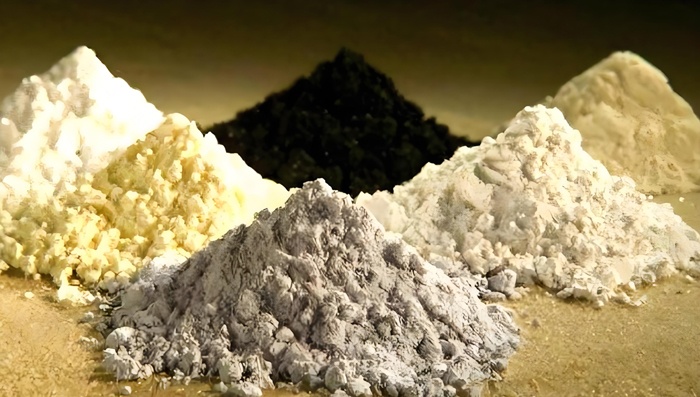
Poniżej przedstawiono podstawową strukturę procesu ekstrakcji pierwiastków ziem rzadkich:
1. Podstawowe zasady i procesy
Podstawowa zasada: Wymieszaj kwaśny roztwór (faza wodna) zawierający wiele pierwiastków ziem rzadkich z określonym ekstrahentem organicznym (faza organiczna) energicznie w pudełku ekstrakcyjnym. Ze względu na różnice we właściwościach chemicznych różnych pierwiastków ziem rzadkich, przejdą do fazy organicznej z różnym powinowactwem.
Ekstrakcja wielostopniowa z przepływem krzyżowym/przeciwprądem: Ze względu na niezwykle podobne właściwości pierwiastków ziem rzadkich (zwłaszcza sąsiadujące elementy lantanowców), ekstrakcja ciągła, mycie, i ekstrakcja wsteczna na setkach, a nawet tysiącach poziomów są konieczne, aby oddzielić pojedynczy pierwiastek ziem rzadkich do czystości do 99.999%.
2. Typowe ekstrahenty
Według różnych rodzajów minerałów ziem rzadkich i wymagań ekstrakcyjnych, w przemyśle powszechnie stosuje się następujące typy organicznych ekstrahentów zawierających fosfor lub aminy:
P204 (HDEHP): Ekstrahent kwasowy, stosowany głównie do oddzielania ciężkich pierwiastków ziem rzadkich i ekstrakcji pierwiastków takich jak itr, samar, europium, gadolin, itp.
P507 (EHEHPA): Ekstrahent kwasowy o wysokim współczynniku separacji, jest obecnie głównym odczynnikiem do oddzielania lekkich pierwiastków ziem rzadkich (takie jak lantan, cer, prazeodym, neodym).
N235 (N1923): Ekstrahent alkaliczny/neutralny, powszechnie stosowany do oddzielania lekkich pierwiastków ziem rzadkich lub ekstrakcji powiązanych pierwiastków z układów kwasu solnego.
3. Przełomy technologiczne i skutki przemysłowe
Teoria ekstrakcji kaskadowej: zaproponowany przez zespół znanego chińskiego chemika, akademika Xu Guangxiana, rozwiązuje światowej klasy problem tradycyjnych procesów, które są trudne do osiągnięcia w masowej produkcji przemysłowej pojedynczych pierwiastków ziem rzadkich o wysokiej czystości, i umożliwia chińskiej technologii separacji pierwiastków ziem rzadkich osiągnięcie wiodącego poziomu na świecie.
Zielony proces ekstrakcji: Nowoczesna technologia ekstrakcji rozwija się w kierunku braku zmydlania i odprowadzania ścieków o niskiej zawartości azotu amonowego, aby rozwiązać problemy środowiskowe w tradycyjnych procesach ekstrakcji.
Nasze ekstrahenty metali jak poniżej, jeśli potrzebujesz jakiegokolwiek rodzaju, zapytaj nas:
- P204 (D2EHPA lub HDEHP) Służy do pierwszego etapu usuwania zanieczyszczeń z rudy niklu laterytowego.
- P507 ekstrahent metali nieżelaznych do miedzi, cynk, kobalt-nikiel, kadm, złoto Srebro, metale z grupy platynowców, pierwiastki ziem rzadkich i tak dalej.
- DY272 Ekstrahent do separacji niklu i kobaltu, może usuwać kobalt z roztworu kobaltu niklu, następnie zostaw czysty nikiel.
- DY984N odczynnik do ekstrakcji rozpuszczalnikiem miedzi.
- DY319 Wysokowydajny ekstrahent niklowo-kobaltowy do recyklingu akumulatorów, może usunąć nikiel i kobalt razem z elektrolitu baterii litowej.
- QL256-2 Ekstrahent koekstrakcji niklu i kobaltu manganu.
- DY377 wydajny ekstrahent do separacji niklu i diamentów.
- DY366 Ekstrahent skandowy.
- DY316 Ekstrahent litowy.