 English
 العربية
 azərbaycan dili
 বাংলা
বাংলা Français
 Deutsch
 Indonesia
 한국어
한국어 Melayu
 پارسی
پارسی Polski
 Português
 Română
 Русский
 Español
 Kiswahili
 ภาษาไทย
 Türkçe
 Українська
 اردو
اردو Tiếng Việt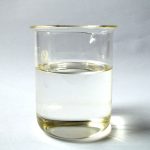
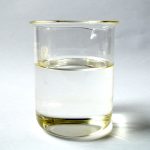
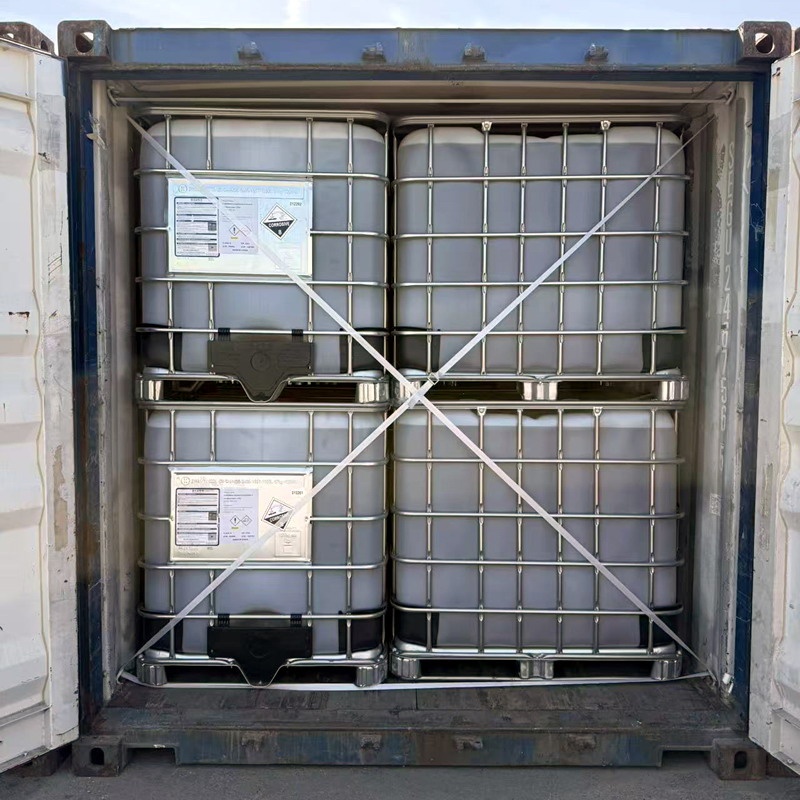
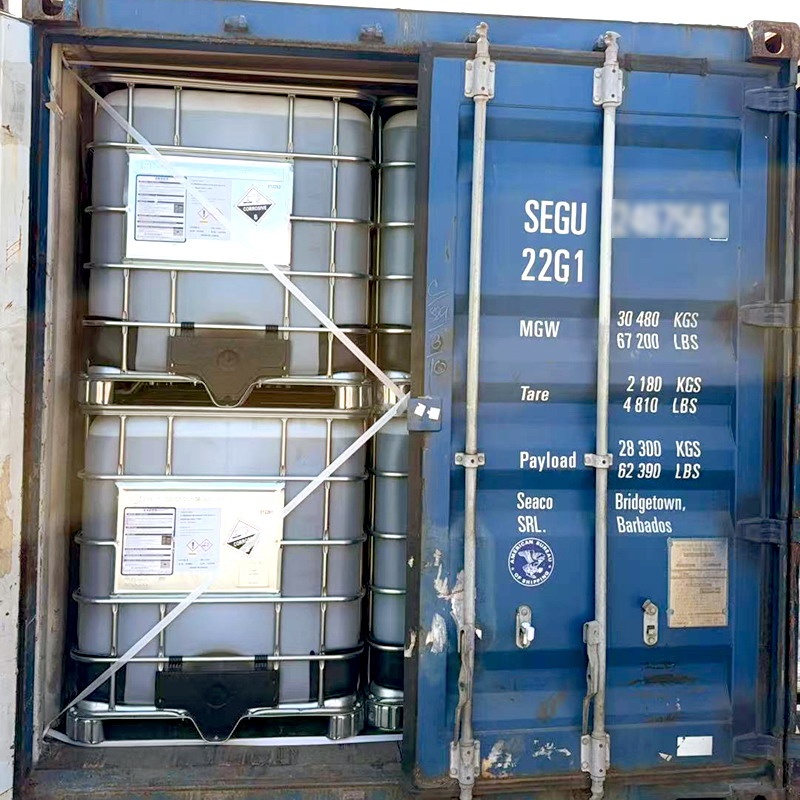
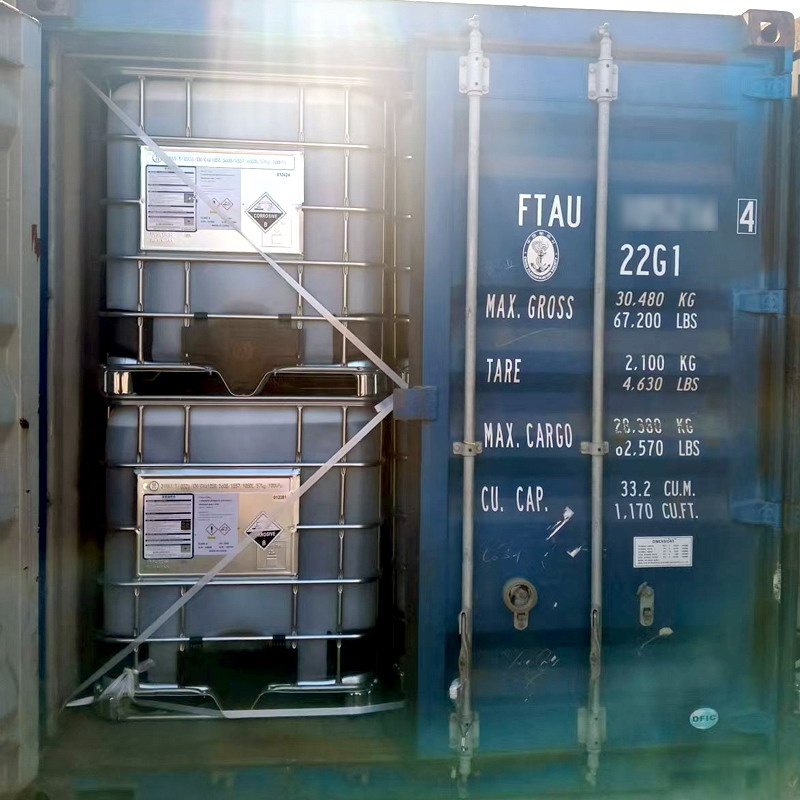
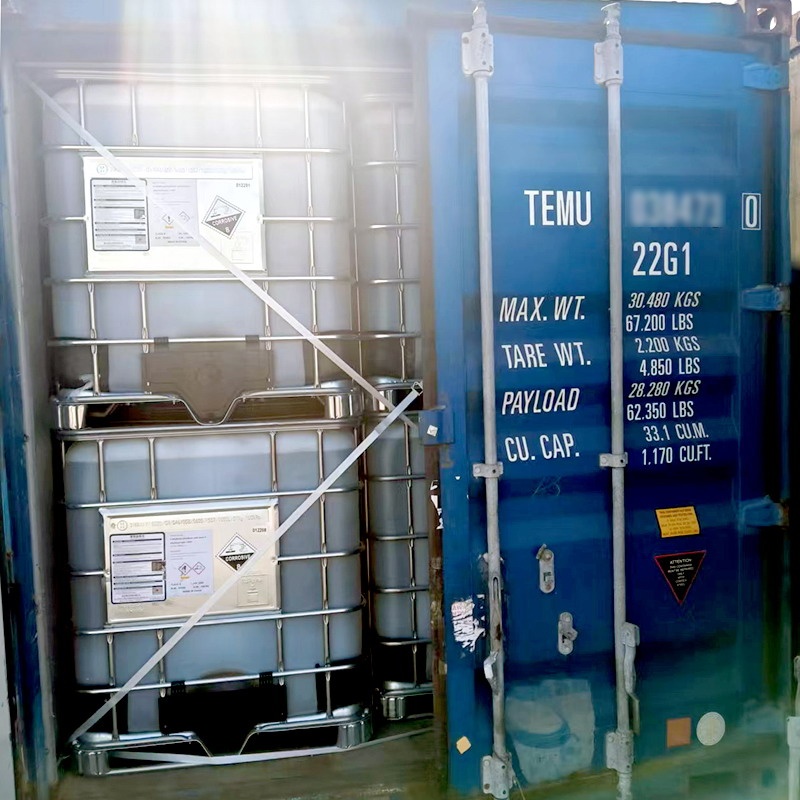
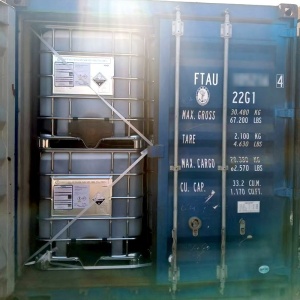
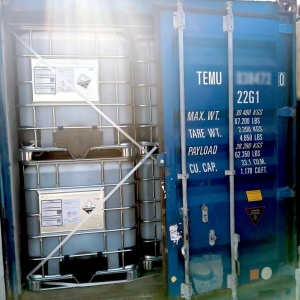
2-ester mono-2-éthylhexyle d'acide éthylhexylphosphorique (largement connu dans l'industrie hydrométallurgique mondiale comme P507, PC-88A, PME 418, ou HEHEHP) est une extraction avancée par solvant organophosphoré acide (SX) réactif.
Ce monoester d'acide phosphonique présente une structure chimique asymétrique qui équilibre un fort pouvoir complexant les métaux avec une sélectivité exceptionnelle., ce qui en fait le moteur chimique fondamental pour les éléments des terres rares (Rocher) séparation et raffinage des métaux de batterie de haute pureté.
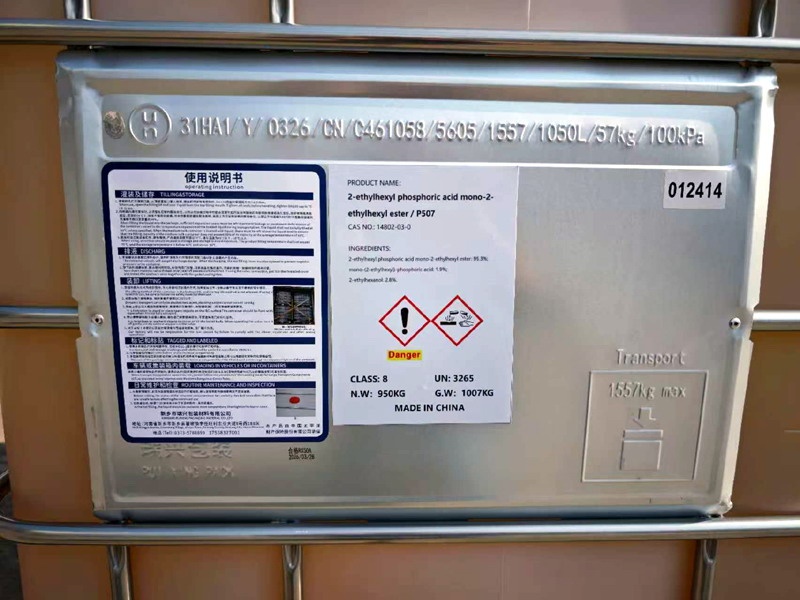
2-L'ester mono-2-éthylhexylique de l'acide éthylhexylphosphorique doit également être nommé P507., les spécifications techniques comme ci-dessous:
N ° CAS.:14802-03-0
Formule moléculaire: Isomère C16H35O3P
Masse moléculaire: 306.427
Numéro EINECS: 238-865-3
Densité: 0.95 g/ml
Pression de vapeur: 0.085Plus et 25 ℃
Indice de réfraction: 1.4400-1.4460
point de rupture>100 °C
Conditions de stockage: Conserver en dessous de+30°C
Solubilité: soluble dans le toluène et l'éthanol
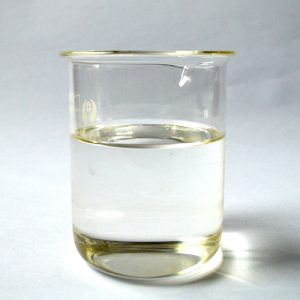
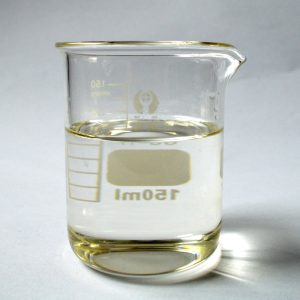
Formulaire: Liquide transparent
Coefficient d'acidité (pKa): 3.1 [à 20 ℃]
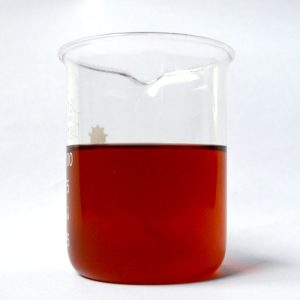
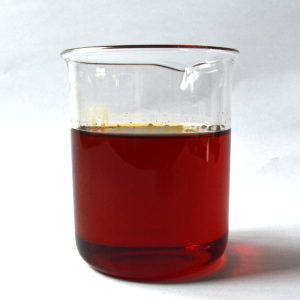
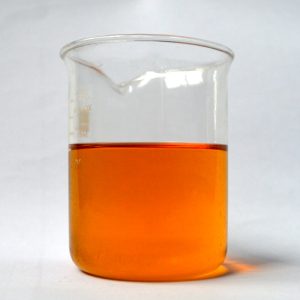
Couleur: incolore à jaune clair à orange clair
Valeur PH: 2.3 (10g/l, H2O, 20 °C) (en émulsion)
Solubilité dans l'eau: 5.95 μg/L à 20 ℃
Point d'ébullition>180 °C (1013hPa) se décompose
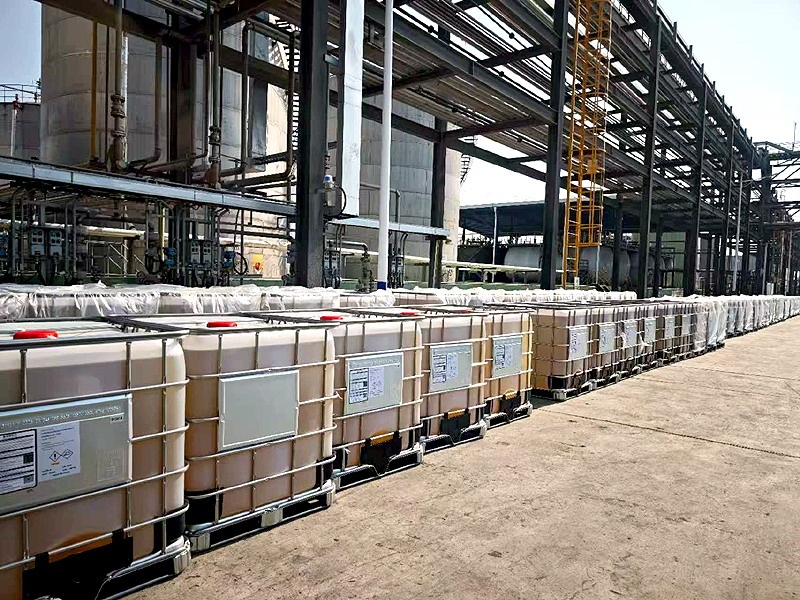
Applications industrielles de base
UN. Élément de terre rare avancé (Rocher) Fractionnement
Dans la métallurgie des lanthanides, séparer les éléments de terres rares adjacents (comme le Néodyme/Praséodyme ou le Samarium/Gadolinium) est incroyablement difficile en raison de “contraction du lanthanure,” ce qui donne à ces éléments des rayons ioniques presque identiques.
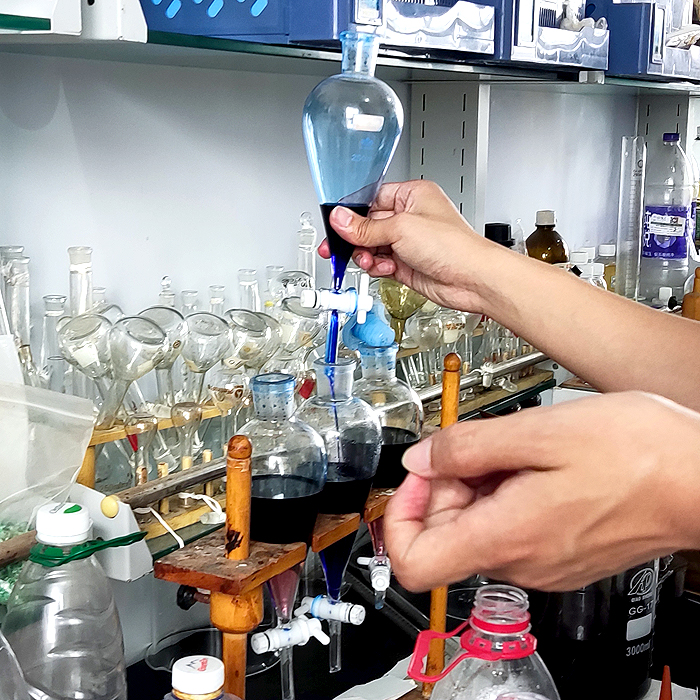
L'avantage du P507: 2-L'ester mono-2-éthylhexyle d'acide éthylhexylphosphorique présente des facteurs de séparation significativement plus élevés pour ces éléments adjacents par rapport au D2EHPA standard.. Il est utilisé massivement, cascades de mélangeur-décanteur à plusieurs étages pour atteindre des puretés de produit dépassant 99.99%.
B. Séparation cobalt-nickel de haute pureté
Pour véhicule électrique (VE) chaînes d'approvisionnement en chimie des batteries, isoler le cobalt (Ion Co) proprement loin du vaste nickel (En ions) les matrices d'arrière-plan sont essentielles.
À une fenêtre opérationnelle acide maintenue avec précision (pH 4,0–5,0), ce réactif forme stable, chélates solubles dans l'huile avec des ions cobalt, laissant le nickel entièrement rejeté dans le flux de raffinat aqueux.
Avantages opérationnels & Défis
Avantages clés:
Haute hydrophobie: Ses doubles chaînes alkyles ramifiées 2-éthylhexyle assurent une solubilité dans l'eau exceptionnellement faible. (0.05 g/L), minimiser les pertes d'entraînement organique dans le traitement des solutions de raffinat.
Cinétique de décapage efficace: Parce que ses forces de complexation métallique sont thermodynamiquement plus douces que les alternatives phosphiniques (comme DY272), extraire les métaux chargés de la phase organique nécessite des concentrations plus faibles d'acide chlorhydrique ou sulfurique, réduire les coûts d'exploitation des produits chimiques.
Miscibilité des porteurs: Entièrement miscible avec les diluants d'hydrocarbures aliphatiques et faiblement aromatiques standards (par ex., Escaid 110, 260# huile solvant).
D'ailleurs, nos extracteurs de métaux comme ci-dessous, Si vous avez besoin, N'hésitez pas à nous demander:
- P204 (D2EHPA ou HDEHP) Ceci est utilisé comme première étape pour éliminer les impuretés du minerai de nickel latéritique.
- P507 extracteur de métaux non ferreux pour le cuivre, zinc, cobalt-nickel, cadmium, or, argent, métaux du groupe du platine, terres rares et ainsi de suite.
- DY272 Extracteur de séparation nickel-cobalt, il peut extraire le cobalt de la solution de nickel-cobalt, puis laisse du nickel pur.
- DY984N réactif d'extraction par solvant du cuivre.
- QL256-2 Extracteur de co-extraction de nickel, de cobalt et de manganèse.
- DY316 Extracteur de lithium.
- DY319 extracteur de co-extraction de nickel et de cobalt à haut rendement pour le recyclage des batteries, peut extraire le nickel et le cobalt ensemble de l'électrolyte de la batterie au lithium.
- DY366 Extracteur de scandium.
- DY377 Extracteur efficace de séparation du nickel et du diamant.