 English
 العربية
 azərbaycan dili
 বাংলা
বাংলা Français
 Deutsch
 Indonesia
 한국어
한국어 Melayu
 پارسی
پارسی Polski
 Português
 Română
 Русский
 Español
 Kiswahili
 ภาษาไทย
 Türkçe
 Українська
 اردو
اردو Tiếng Việt
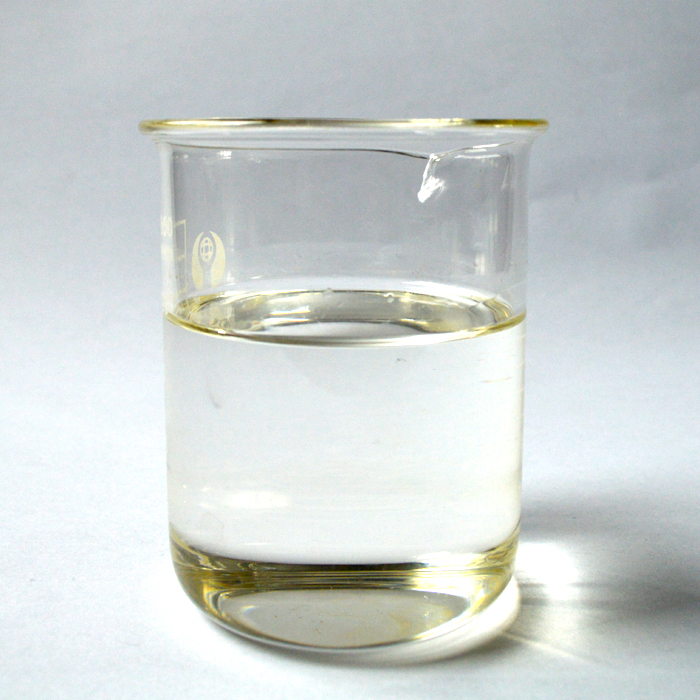
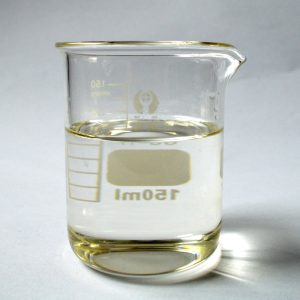
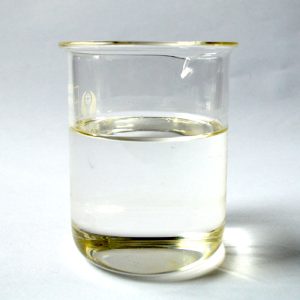
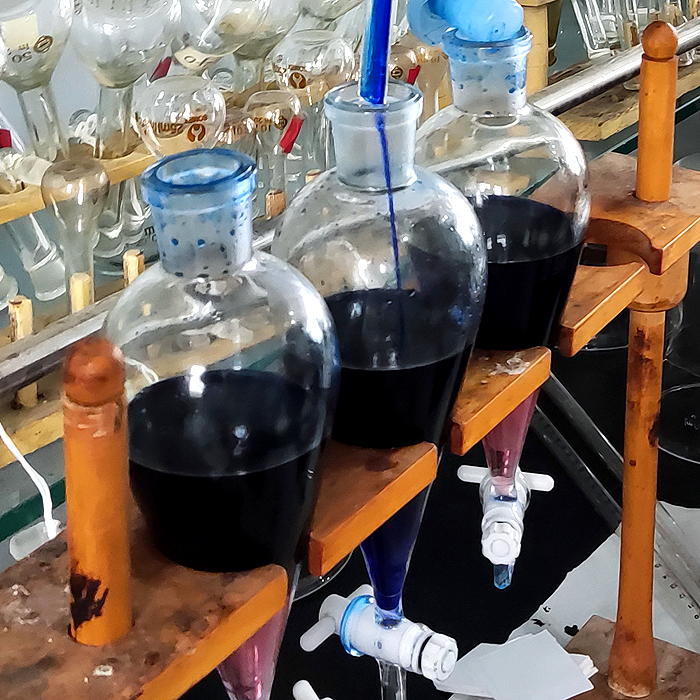
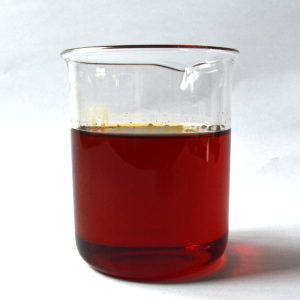
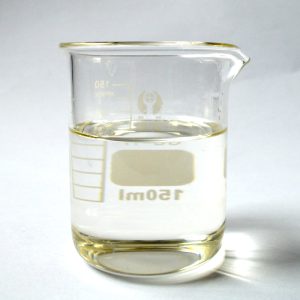
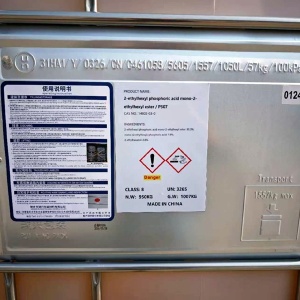
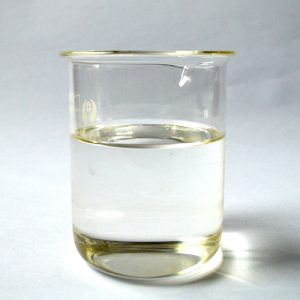
De-(2-éthylhexyle) acide phosphorique (universellement désigné dans l’industrie hydrométallurgique sous le nom de D2EHPA, DEHPA, HDEHP, ou P204) est l’extraction par solvant organophosphoré acide la plus largement utilisée au monde (SX) réactif. Doté d'un symétrique, structure moléculaire du diester ramifié, ce composé sert de principal outil chimique pour séparer les ions métalliques multivalents dans le raffinage des métaux de base, recyclage des batteries lithium-ion, et traitement des lanthanides.
Informations chimiques:
- Noms communs: De-(2-éthylhexyle) acide phosphorique, DEHPA, HDEHP
- Numéro CAS: 298-07-7
- Numéro EINECS: 206-056-4
- Formule chimique: C16H35O4P
- Masse molaire: 322.43 g/mole
- Densité: 0.972 g/ml
- Point de fusion: -50°C
- Point d'ébullition: 393°C
- Contenu: 96.99%
Applications industrielles de base:
En gérant le pH opérationnel de la solution de lixiviation enceinte entrante, les plantes peuvent isoler proprement des cibles spécifiques:
UN. Recyclage des batteries de véhicules électriques:
En recyclage hydrométallurgique en boucle fermée de batteries lithium-ion ternaires, séparer le manganèse du cobalt et du nickel.
Le D2EHPA atteint sa capacité maximale de chargement en manganèse tout en rejetant complètement le cobalt et le nickel dans le raffinat, créer un chemin propre en aval pour la production de précurseurs de cathode de haute pureté.
B. Hydrométallurgie du zinc & Extraction électrolytique du zinc:
Le D2EHPA est le réactif de base pour la purification du zinc à partir des liqueurs de lixiviation à l'acide sulfurique.. Il extrait sélectivement le zinc des vastes fonds de calcium, magnésium, et l'aluminium, concentrer le zinc dans un électrolyte avancé à haute teneur adapté aux cellules d'extraction électrolytique directe.
C. Élément de terre rare (Rocher) Traitement:
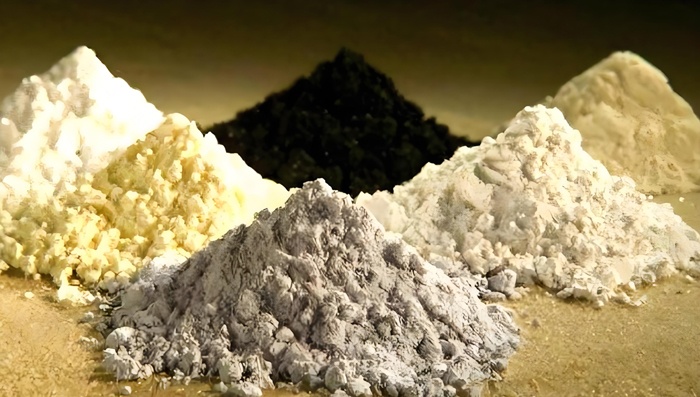
Utilisé dans les étapes initiales de fractionnement des blocs de raffinage des lanthanides pour séparer les éléments légers des terres rares (LREE) à partir d'éléments lourds de terres rares (HREE). Parce que les HREE se lient plus fortement à la matrice d'acide phosphorique, ils sont chargés sélectivement pendant que les LREE traversent les cascades du mélangeur.
Conclusion
De-(2-éthylhexyle) acide phosphorique (DEHPA) est un produit chimique vital dans diverses applications industrielles, en particulier dans l’extraction des métaux et la dépollution de l’environnement. Avec ses propriétés chimiques favorables, il joue un rôle essentiel dans l’amélioration de l’efficacité des opérations de récupération des métaux.
Si vous avez besoin d'informations plus spécifiques ou si vous avez d'autres questions sur le DEHPA, Contactez nous s'il vous plait.
D'ailleurs, nos extracteurs de métaux comme ci-dessous, Si vous avez besoin, N'hésitez pas à nous demander:
- P204 (D2EHPA ou HDEHP) Ceci est utilisé comme première étape pour éliminer les impuretés du minerai de nickel latéritique.
- P507 extracteur de métaux non ferreux pour le cuivre, zinc, cobalt-nickel, cadmium, or, argent, métaux du groupe du platine, terres rares et ainsi de suite.
- DY272 Extracteur de séparation nickel-cobalt, il peut extraire le cobalt de la solution de nickel-cobalt, puis laisse du nickel pur.
- DY984N réactif d'extraction par solvant du cuivre.
- QL256-2 Extracteur de co-extraction de nickel, de cobalt et de manganèse.
- DY316 Extracteur de lithium.
- DY319 extracteur de co-extraction de nickel et de cobalt à haut rendement pour le recyclage des batteries, peut extraire le nickel et le cobalt ensemble de l'électrolyte de la batterie au lithium.
- DY366 Extracteur de scandium.
- DY377 Extracteur efficace de séparation du nickel et du diamant.