 English
 العربية
 azərbaycan dili
 বাংলা
বাংলা Français
 Deutsch
 Indonesia
 한국어
한국어 Melayu
 پارسی
پارسی Polski
 Português
 Română
 Русский
 Español
 Kiswahili
 ภาษาไทย
 Türkçe
 Українська
 اردو
اردو Tiếng Việt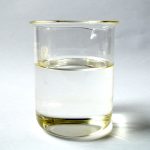
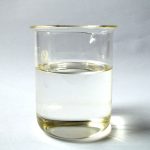
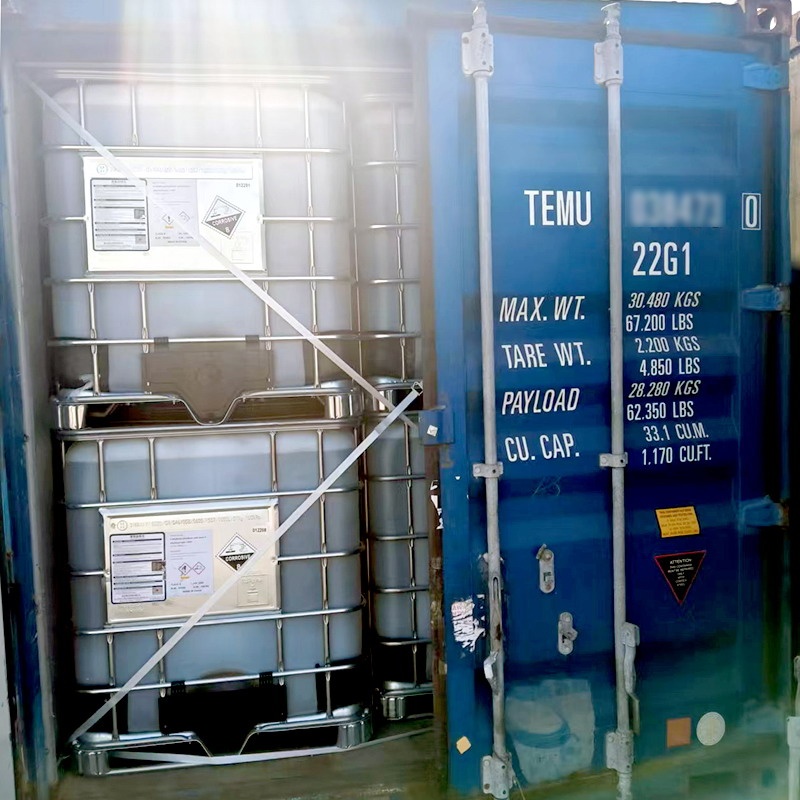
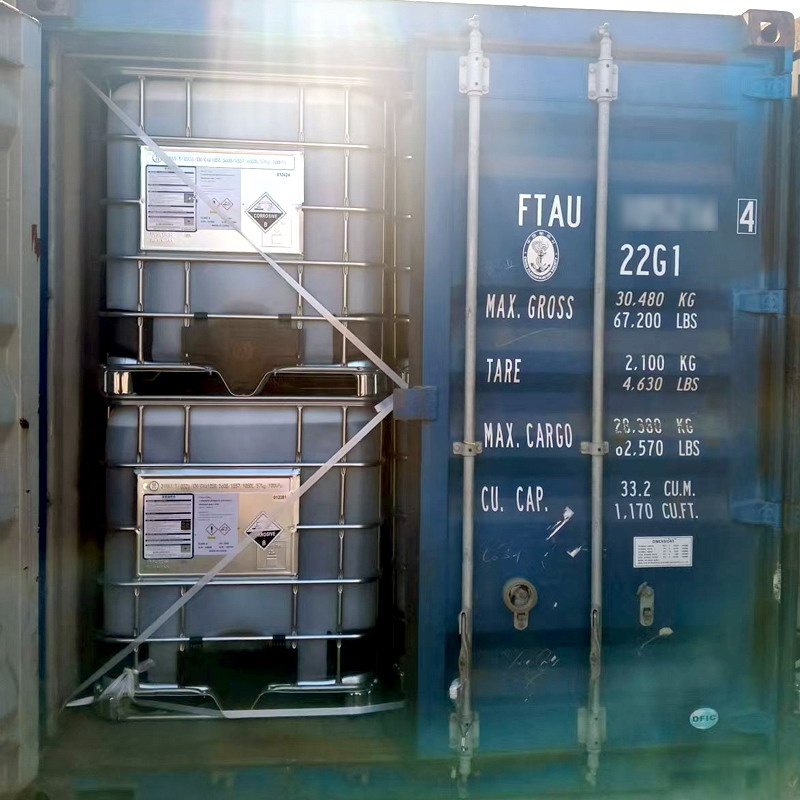
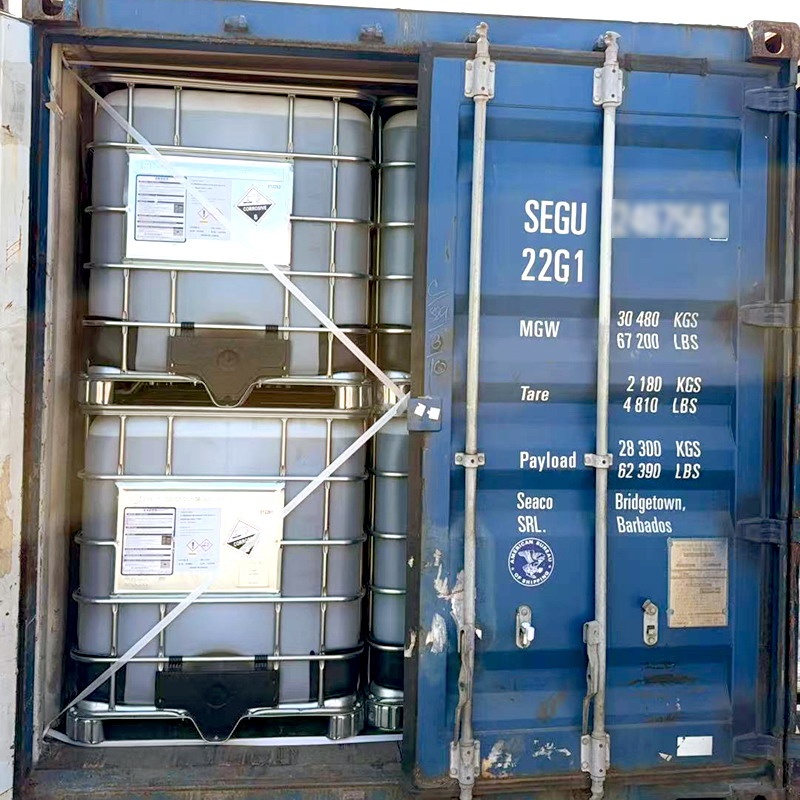
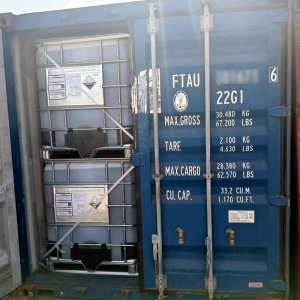
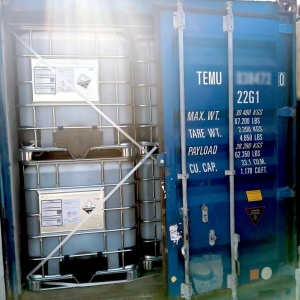
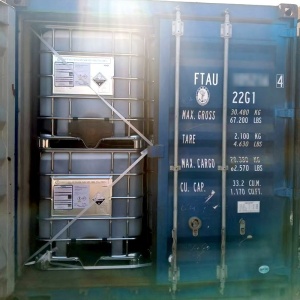
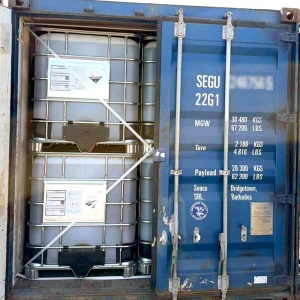
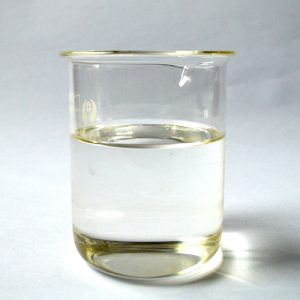
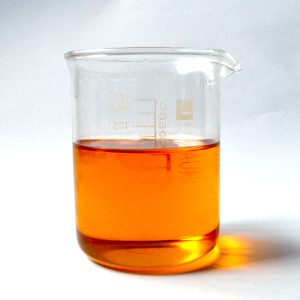
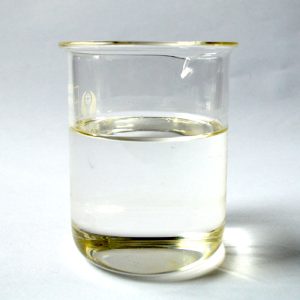
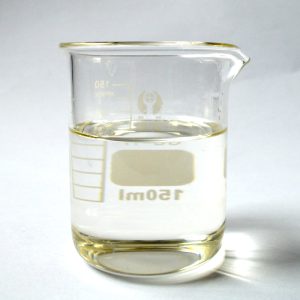
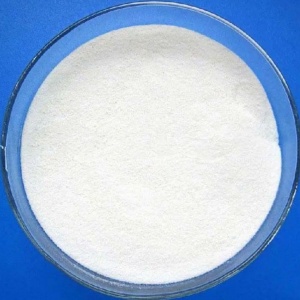
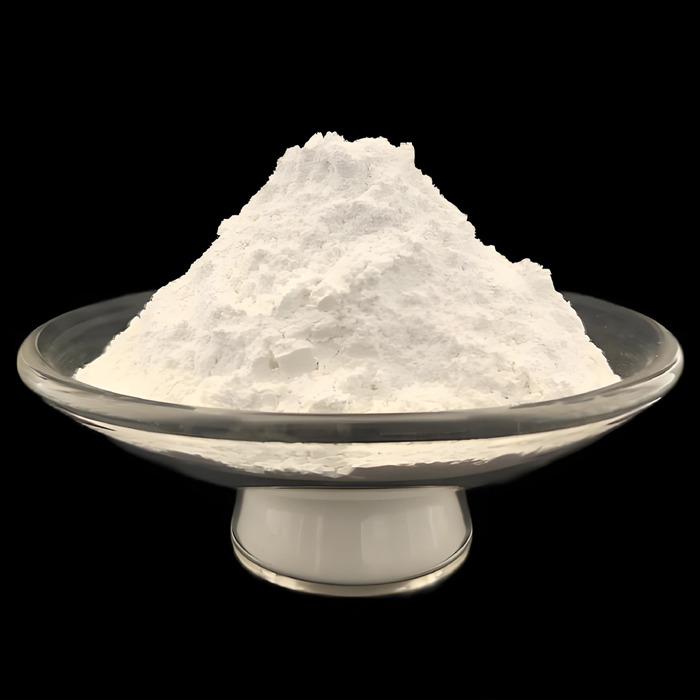
P507 non-ferrous metals Extractant is widely used in the hydrometallurgical industry of non-ferrous metals, such as copper, zinc, cobalt-nickel, cadmium, gold-silver, platinum group metals, rare earths, and other industries.
Compared to alternative phosphonic acid reagents, the unique molecular architecture of P507 provides excellent chemical stability, lower aqueous solubility, and exceptional stripping performance.
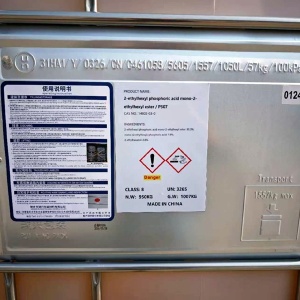
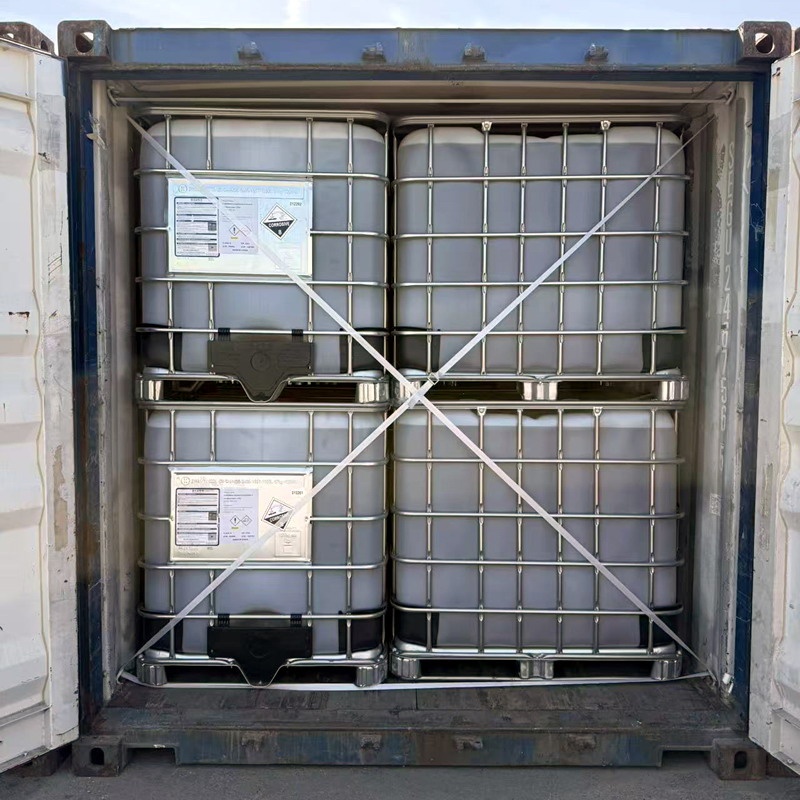
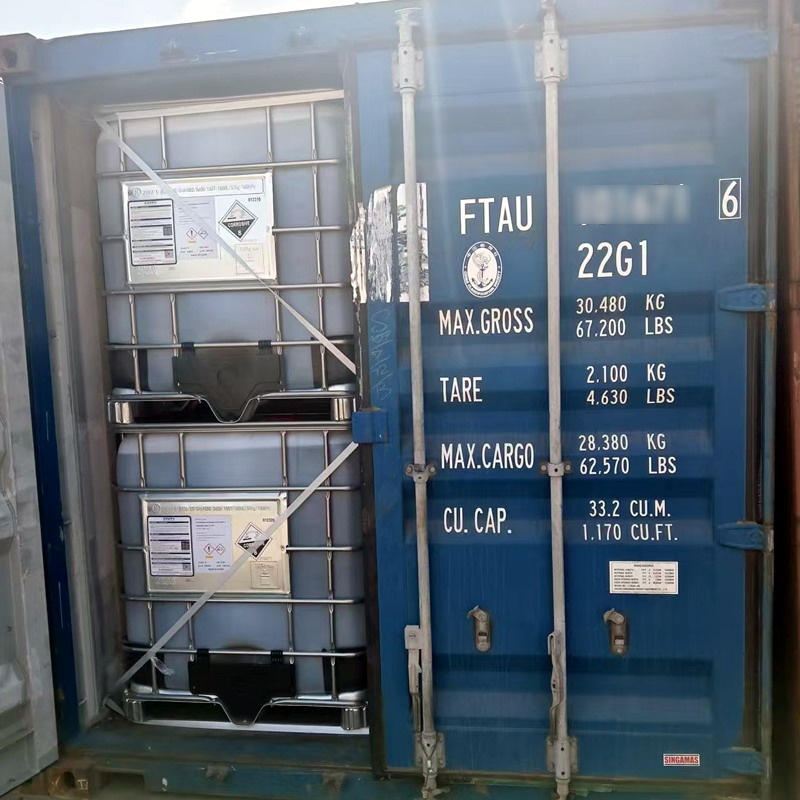
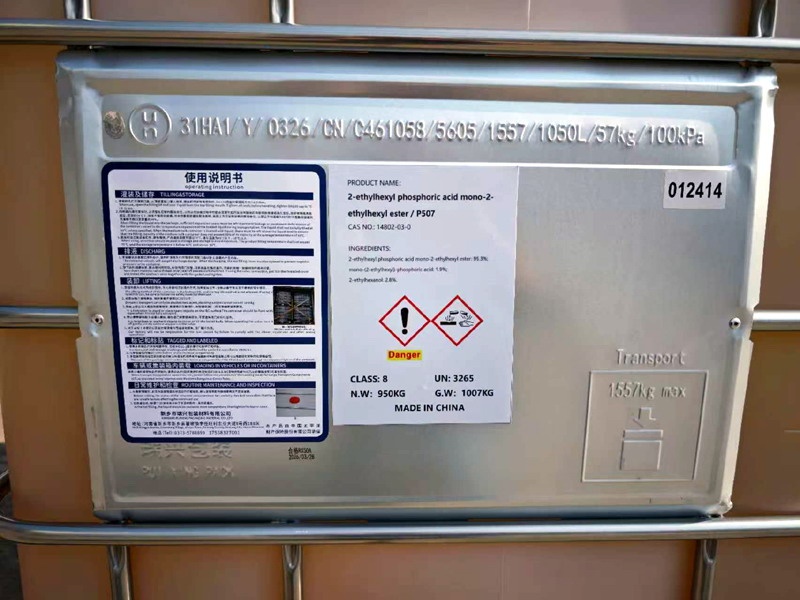
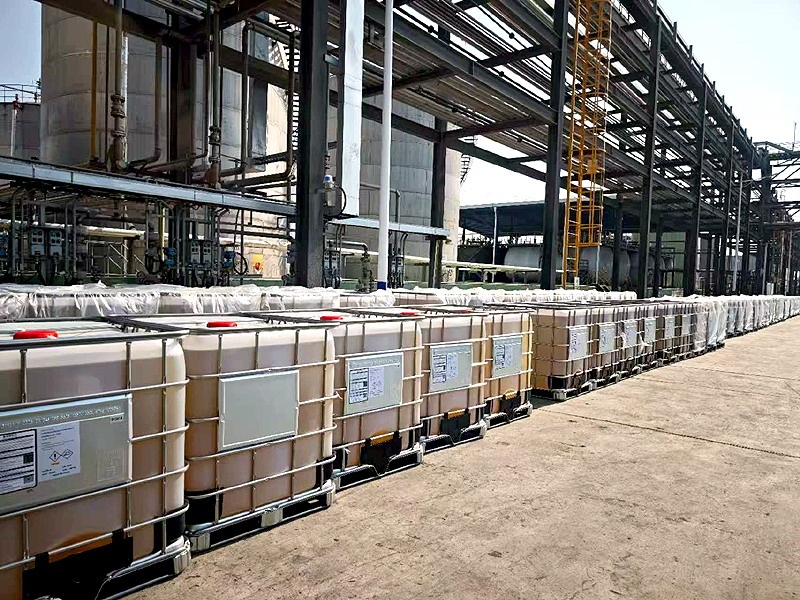
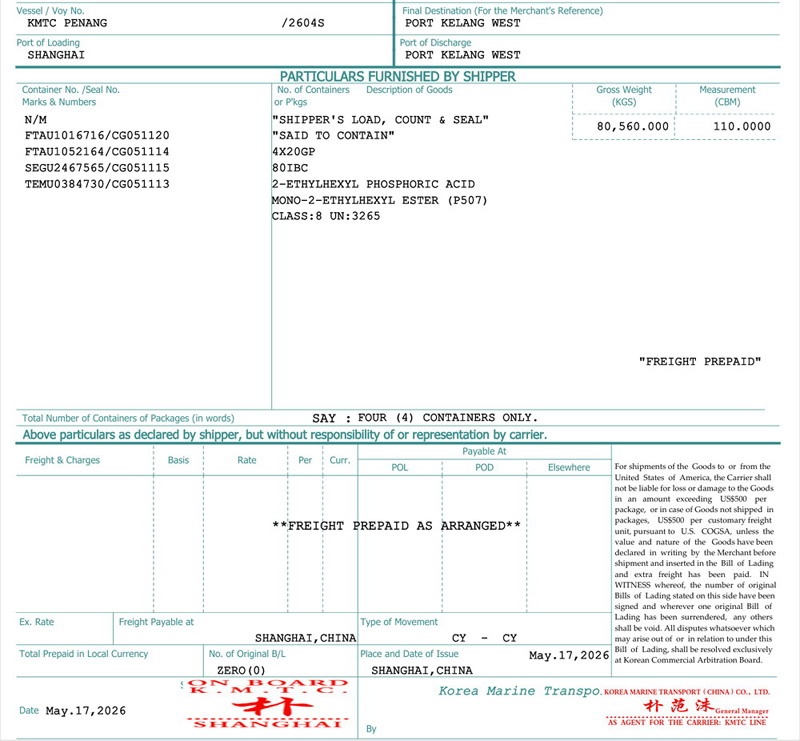
Please refer below documents that we export 76 tons P507:
Technical Specifications & Chemical Properties:
- Chiemical name: 2-ethylhexyl phosphoric acid mono-2-ethylhexyl ester (P-507)
- ■ CAS No: 14802-03-0
- ■ Molecular formula: (C8H17)2PO3H
- ■ Molecular weight: 306.4 (according to the 1987 International Atomic Weight Table)
Name | Superior Grade |
| Content % | ≥95.0 |
| Dicarboxylic acid % | ≤2.0 |
| Phase separation speed (seconds) | t1≤90 |
| Acid value (mg KOH/g) | 180-195 |
| Density (20°C) g/ml | 0.940-0.960 |
| Refractive index (N) | 1.4480-1.4520 |
| Viscosity μ25CPS | 36±3 |
| Flash point (open cup) °C | 170±3 |
The main steps of P507 non-ferrous metals Extractant as below:
- Adjust the pH of the feed solution. For example, in cobalt-nickel metallurgy, the pH of the feed solution is typically adjusted to 3.4-4.0.
- Prepare the extractant by mixing it with an organic solvent in a certain volume ratio.
- Saponification, mainly for acidic extractants. It involves the reaction between the extractant and a base. The main purpose is to stabilize the pH of the feed solution and enhance the extraction capacity of the extractant.
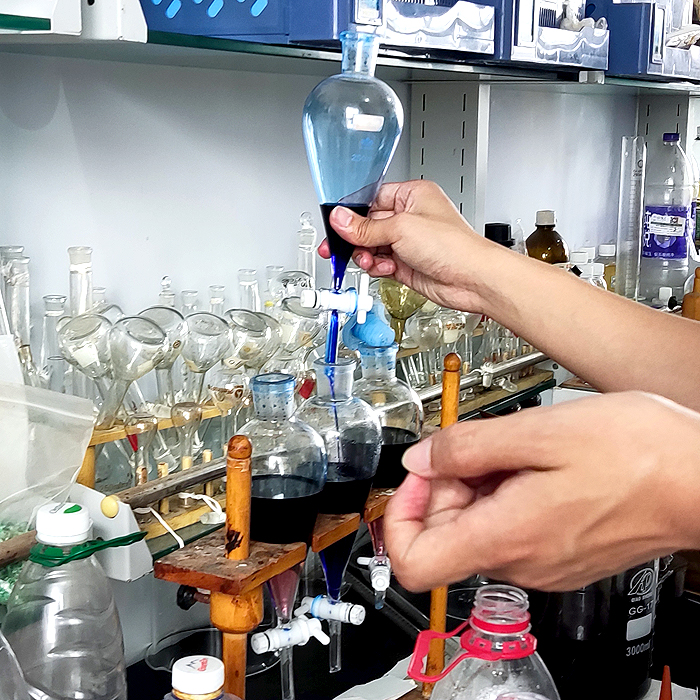
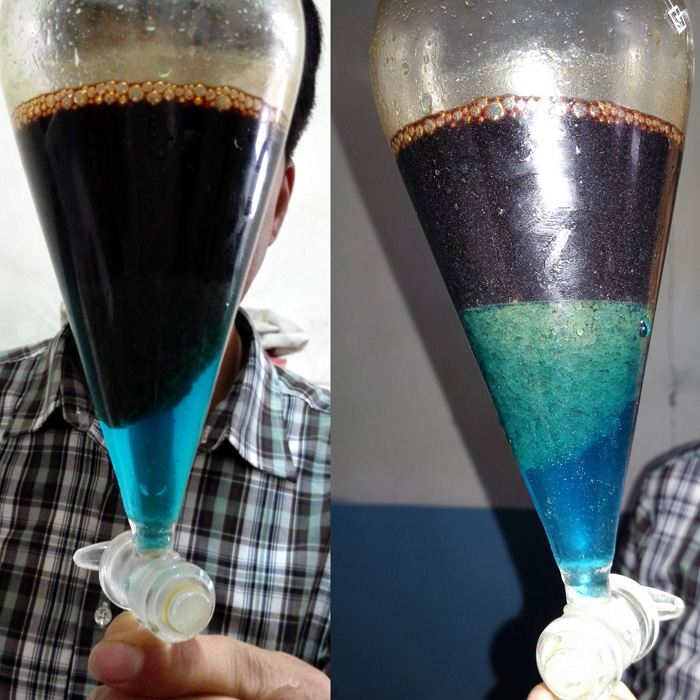
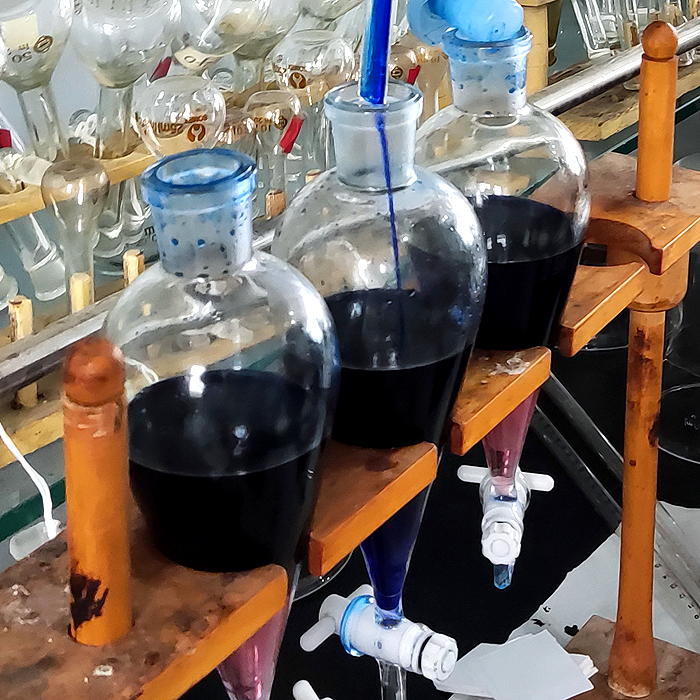
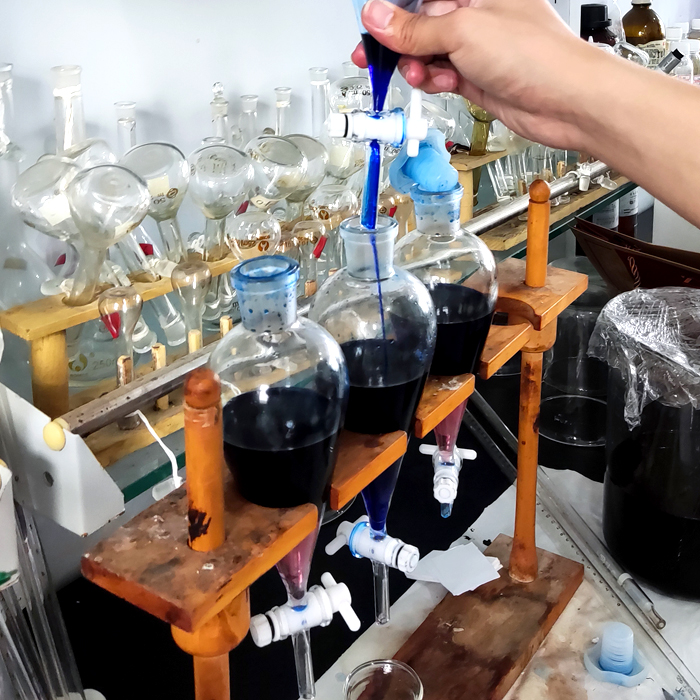
- Extract metal ions. The industry generally employs countercurrent extraction processes, where the organic and aqueous phases flow in opposite directions. There are usually multiple extraction stages to ensure extraction efficiency.
- Wash, primarily for impurity removal, washing off the impurity metal ions that have a lower extraction sequence into the aqueous phase, ensuring the purity of the organic metal ions.
- Water washing, mainly addressing the issue of entrainment of the extractant in the extraction phases.
- Stripping. Use a certain acid to strip the metal from the organic phase back into the aqueous phase.
Core Hydrometallurgical Applications
1. Rare Earth Elements (REE) Separation & Purification
P507 is the premier choice for separating lanthanide elements from mixed rare earth sulfate or chloride solutions. It displays a significantly higher separation coefficient for adjacent middle-to-heavy rare earths (such as Neodymium, Samarium, Europium, and Gadolinium) compared to traditional P204 (D2EHPA) reagents.
2. Cobalt and Nickel Hydro-Separation
In laterite ore processing and lithium-ion battery recycling (black mass processing), P507 is heavily utilized to selectively extract cobalt from high-nickel solutions, minimizing cross-contamination and maximizing recovery margins.
3. Other Non-Ferrous & Precious Metals
Zinc & Cadmium: Efficient recovery from industrial smelting byproducts and wastewater streams.
Indium, Gallium, & Scandium: Highly targeted extraction from complex acidic leaching liquors.
Performance Advantages of P507 Extractant
Low Acid Stripping: The extraction complex formed by P507 allows for back-extraction (stripping) using much lower mineral acid concentrations compared to alternative extractants. This dramatically cuts chemical operational expenditures (OPEX).
Excellent Organic Stability: Outstanding thermal and hydrolytic stability prevents reagent degradation across extended counter-current mixer-settler continuous operations.
Reduced Emulsification Tendency: Rapid phase separation kinetics translate directly to higher processing throughput and minimal organic carrying loss.
So, P507 non-ferrous metals Extractant is integral to the non-ferrous metals industry, enabling efficient separation of critical metals for high-tech applications while supporting environmental remediation efforts. Its use in battery materials and semiconductor-grade metals underscores its strategic importance in global supply chains.
Meantime, our metal extractants as below, if you need any kind, please ask us:
- P204 (D2EHPA or HDEHP) This is used for first step to remove impurity for laterite nickel ore.
- P507 non-ferrous metal extractant for copper, zinc, cobalt-nickel, cadmium, gold-silver, platinum group metals, rare earths and so on.
- DY272 Nickel cobalt separation extractant, it can take cobalt out from nickel cobalt solution, then leave pure nickel.
- DY984N copper solvent extraction reagent.
- DY319 high efficiency nickel cobalt co-extraction extractant for battery recycling, can take out nickel and cobalt together from Lithium battery electrolyte.
- QL256-2 Nickel Cobalt Manganese co-extraction Extractant.
- DY377 efficient nickel and diamond separation extractant.
- DY366 Scandium extractant.
- DY316 Lithium extractant.