 English
 العربية
 azərbaycan dili
 বাংলা
বাংলা Français
 Deutsch
 Indonesia
 한국어
한국어 Melayu
 پارسی
پارسی Polski
 Português
 Română
 Русский
 Español
 Kiswahili
 ภาษาไทย
 Türkçe
 Українська
 اردو
اردو Tiếng Việt
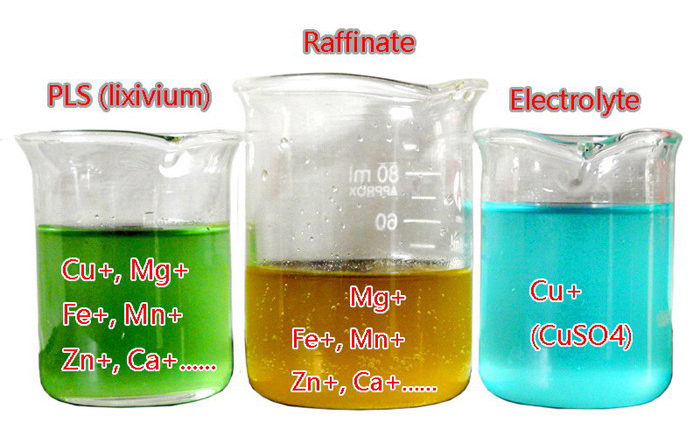
DY988N copper extractant is a type of organic compound that is used for the extraction of copper from ores. It is a yellow to brown liquid with a density of 0.99g/cm3 and a boiling point of 250-280℃. DY988N has several unique properties that make it an excellent choice for copper extraction, including high extraction efficiency, good phase separation, and stability in acidic and alkaline conditions.
Currently, the demand for copper extractants like DY988N is driven by the increasing demand for copper in various industries, including electronics, transportation, construction, and infrastructure. According to a recent report by Grand View Research, the global copper market size was valued at USD 170.9 billion in 2020 and is expected to grow at a compound annual growth rate (CAGR) of 5.6% from 2021 to 2028. This growth is expected to drive demand for copper extractants like DY988N in the coming years.
In the copper extractant market, DY988N is a relatively mature product with widespread use in the industry. The market for DY988N and other copper extractants is highly consolidated, with a few key players dominating the market. These include BASF, Arkema, Dow Chemical, and Mitsubishi Chemical Holdings.
Despite the dominance of these key players, there is still room for new entrants in the DY988N copper extractant market. The growing demand for copper, along with the need for more sustainable and eco-friendly extraction processes, presents opportunities for companies to develop new and innovative copper extractants. For example, companies may focus on developing new extractants that are more efficient or have lower environmental impact than existing options.
In addition to traditional copper extraction processes, there is also a growing interest in new technologies like bioleaching and hydrometallurgy. These technologies use microorganisms or chemical solutions to extract copper from ores, and they may offer advantages over traditional extractants like DY988N. As these technologies continue to develop and mature, they could pose a threat to the traditional copper extractant market.
Another factor that could impact the DY988N copper extractant market is government regulations and policies related to environmental protection and sustainability. Many countries are implementing stricter rules on the use of chemicals in industrial processes, and this could lead to increased demand for more sustainable and eco-friendly extractants. Companies that cannot adapt to these changing regulations may struggle to compete in the market.
Overall, the DY988N copper extractant market is expected to continue growing in the coming years due to the increasing demand for copper in various industries. However, the market is also facing challenges from new technologies and changing government regulations. Companies that can innovate and adapt to these changing conditions will be best positioned for success in the DY988N copper extractant market.
Our metal extractants as below, if you need any kind, please ask us:
- P204 (D2EHPA or HDEHP) This is used for first step to remove impurity for laterite nickel ore.
- DY319 high efficiency nickel cobalt co-extraction extractant for battery recycle, can take out nickel and cobalt together from Lithium battery electrolyte.
- DY272 Nickel cobalt separation extractant, it can take cobalt out from nickel cobalt solution, then leave pure nickel.
- DY988N/DY973N/DY902/DY5640 copper solvent extraction reagent.
- P507 non-ferrous metal extractant for copper, zinc, cobalt-nickel, cadmium, gold-silver, platinum group metals, rare earths and so on.
- DY377 efficient nickel and diamond separation extractant.
- DY366 Scandium extractant.
- DY316 Lithium extractant.
- DY-SS-01 extractant for iron, calcium, cadmium and scandium at different pH values.