
 English
 العربية
 azərbaycan dili
 বাংলা
বাংলা Français
 Deutsch
 Indonesia
 한국어
한국어 Melayu
 پارسی
پارسی Polski
 Português
 Română
 Русский
 Español
 Kiswahili
 ภาษาไทย
 Türkçe
 Українська
 اردو
اردو Tiếng Việt
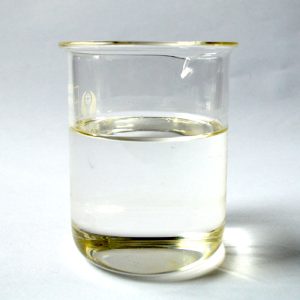
DY319 lithium battery electrolyte extractant is used for Lithium Ion Battery Cathode Material Nickel Cobalt Lithium Manganate. The cathode material is a crucial part of lithium ion batteries and researchers have looked at several materials including lithium cobalt oxide, lithium manganese oxide, lithium iron phosphate, lithium nickel oxide, and lithium nickel cobalt manganese oxide.
The most widely used cathode material for commercial lithium ion batteries is lithium cobalt oxide, but it is expensive and contains toxic cobalt. Lithium manganate has a lower price, but has lower specific discharge capacity and poor high-temperature performance. Divalent manganese in the electrolyte can dissolve and reduce energy density. Lithium iron phosphate has good cycle performance but poor low-temperature performance and the stability of its synthesis batch is weak. Lithium nickel oxide has low stability and difficulties in synthesis.
Lithium nickel cobalt manganate offers the highest cost-performance ratio among these materials due to its high specific capacity, discharge rate, cycle performance, safety, and relatively low cost. Nickel cobalt lithium manganate can be prepared using three methods: the direct high-temperature solid-state reaction method, the sol gel method, and the co-precipitation method.
However, these methods have their drawbacks. The direct high-temperature method produces uneven nickel cobalt manganese mixtures that weaken the material’s performance and synthesized particles are usually irregular with low stacking density, resulting in difficulty in improving the volume specific capacity of the material. The sol gel method is difficult to dry, limiting its industrialization. Finally, the co-precipitation method produces heterogeneous phases due to uneven mixing of the nickel-cobalt-manganese precursor and lithium source, affecting its electrochemical performance.
To address these issues, researchers subjected the nickel cobalt manganese precursor and lithium source to secondary high-temperature grinding and mixing. This helps to promote particle diffusion, produce a more uniform mixture, and improve particle morphology for a greater tamping density of the cathode material. Furthermore, doping aluminum fluoride into the nickel cobalt lithium manganate cathode material offers many benefits such as improving safety and stability, better ion mobility of lithium ions, reducing the loss of Mn2+, and increasing the first discharge capacity.
DY319 lithium battery electrolyte extractant plays a crucial role in obtaining high-quality nickel cobalt manganate lithium electrolyte and reducing overall costs in the lithium battery industry. The extractant’s benefits include increased efficiency and promoting the industry’s development.
Our metal extractants as below, if you need any kind, please ask us:
- P204 (D2EHPA or HDEHP) This is used for first step to remove impurity for laterite nickel ore.
- DY319 high efficiency nickel cobalt co-extraction extractant for battery recycle, can take out nickel and cobalt together from Lithium battery electrolyte.
- DY272 Nickel cobalt separation extractant, it can take cobalt out from nickel cobalt solution, then leave pure nickel.
- DY988N/DY973N/DY902/DY5640 copper solvent extraction reagent.
- P507 non-ferrous metal extractant for copper, zinc, cobalt-nickel, cadmium, gold-silver, platinum group metals, rare earths and so on.
- DY377 efficient nickel and diamond separation extractant.
- DY366 Scandium extractant.
- DY316 Lithium extractant.