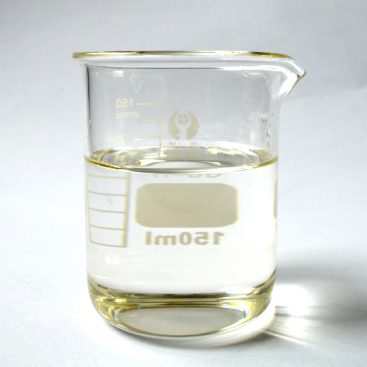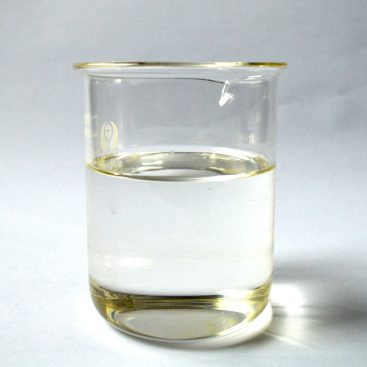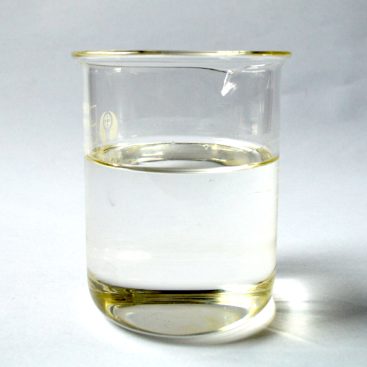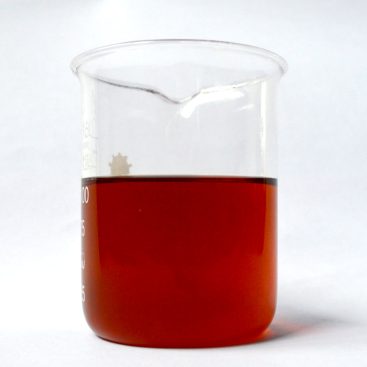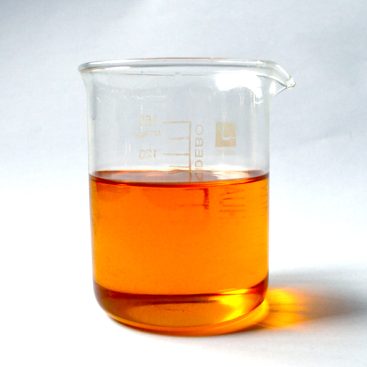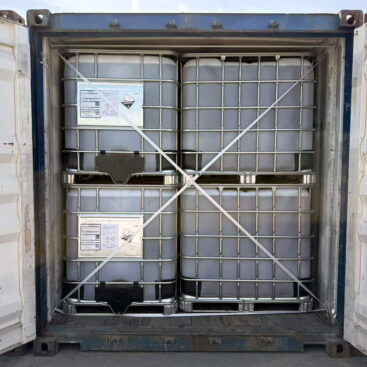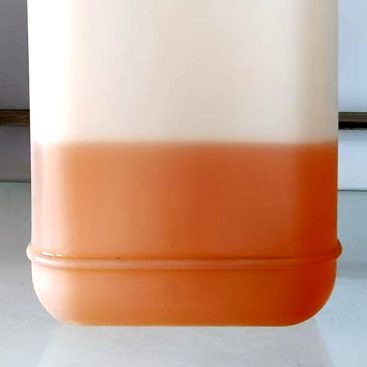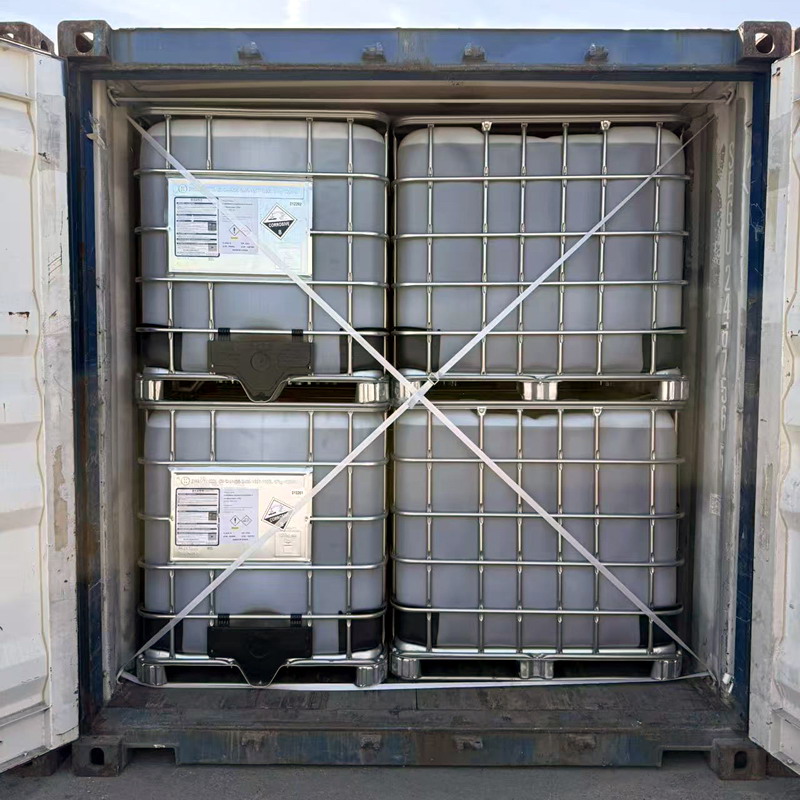
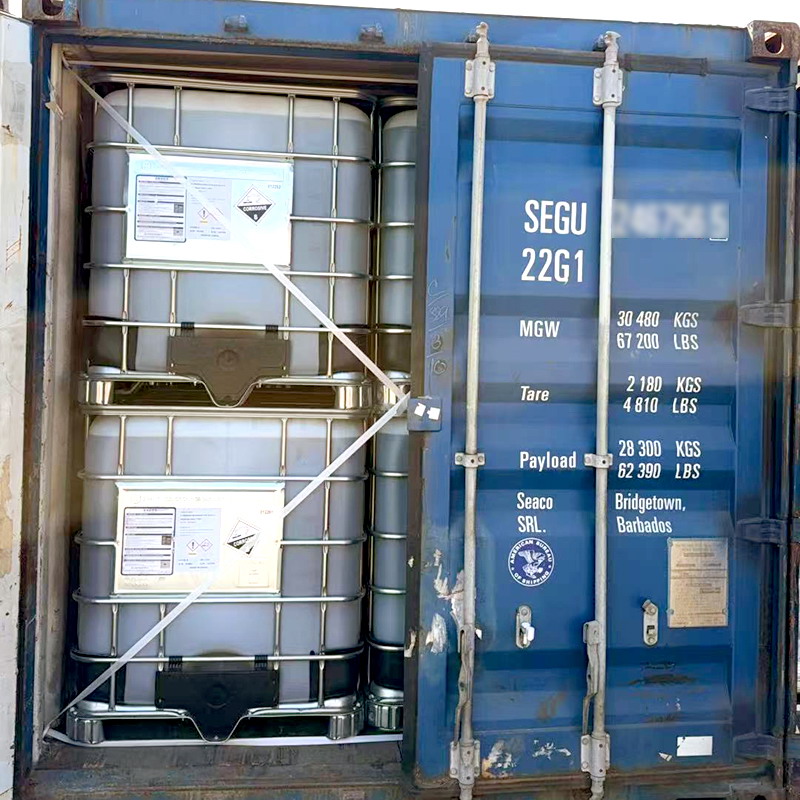
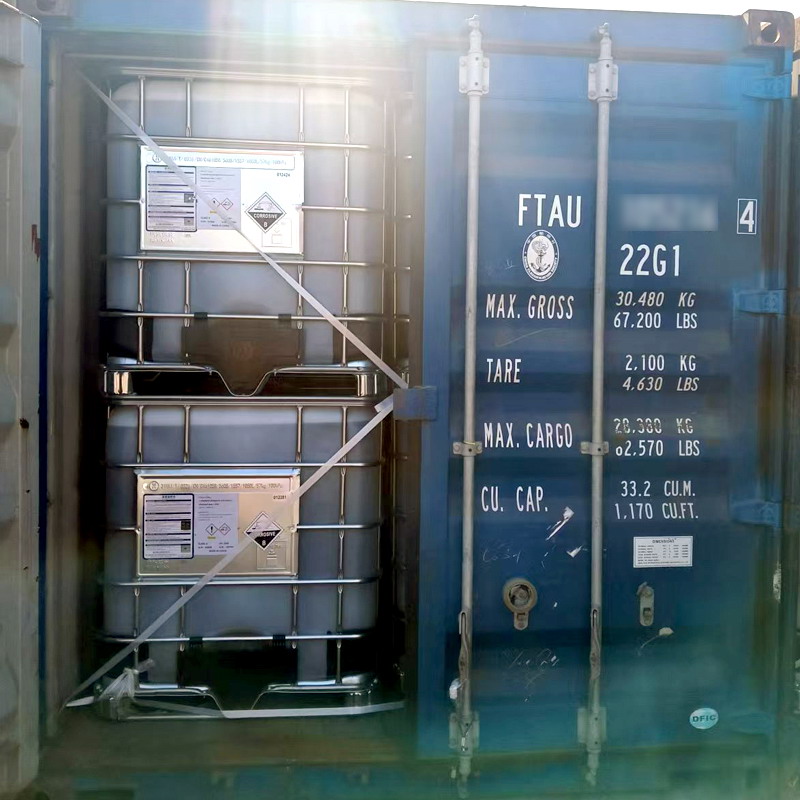
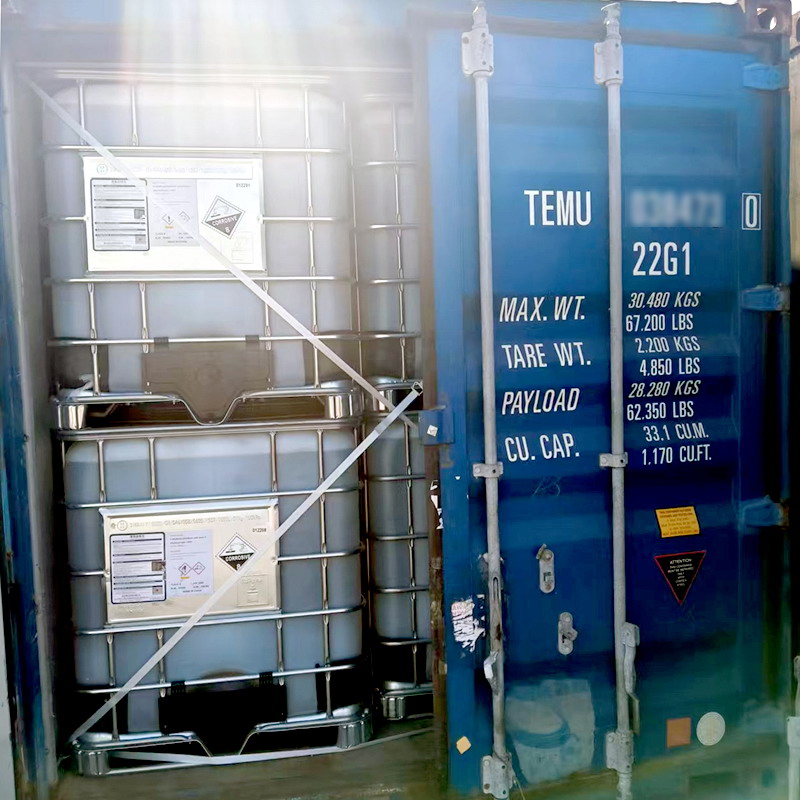

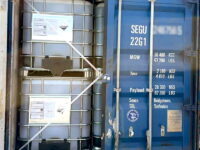

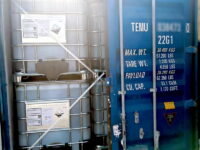

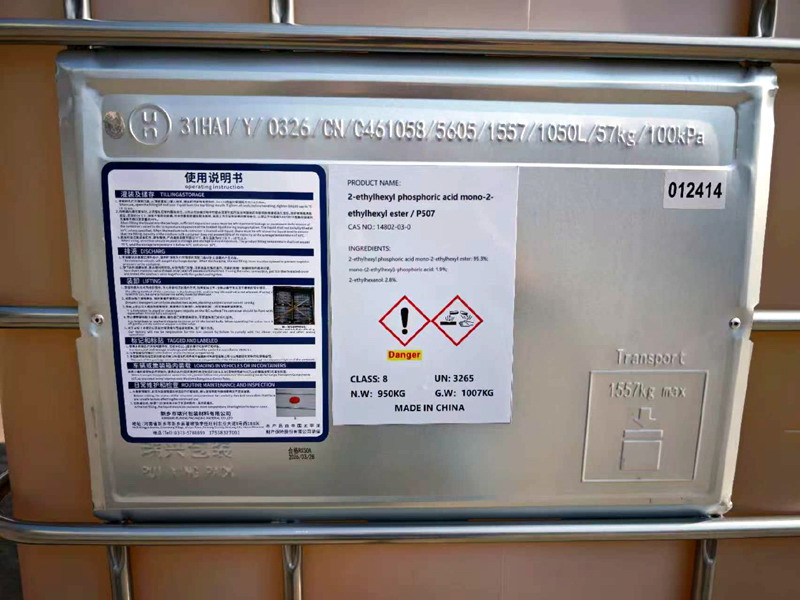
2-ethylhexyl phosphoric acid mono-2-ethylhexyl ester also be named P507, the Technical Specifications as below:
CAS No.:14802-03-0
Molecular formula: C16H35O3P isomer
Molecular weight: 306.427
EINECS number: 238-865-3
Density: 0.95 g/ml
Vapor pressure: 0.085Pa at 25 ℃
Refractive index: 1.4400-1.4460
Flash point>100 ° C
Storage conditions: Store below+30 ° C
Solubility: soluble in toluene and ethanol
Form: Transparent liquid
Acidity coefficient (pKa): 3.1 [at 20 ℃]
Color: colorless to light yellow to light orange
PH value: 2.3 (10g/l, H2O, 20 ° C) (as an emulsion)
Water solubility: 5.95 μ g/L at 20 ℃
Boiling point>180 ° C (1013hPa) decomposes
Properties
- Appearance: Generally, this type of compound is a colorless to pale yellow liquid.
- Density: Similar to other organophosphate esters, it would typically be around 0.9 to 1.0 g/mL.
- Solubility: Soluble in organic solvents but poorly soluble in water.
- Boiling Point and Melting Point: Specific values may vary, but they are generally comparable to similar phosphates.
Applications
- Plasticizers:
- Used as a plasticizer in various polymer applications to enhance flexibility and durability.
- Flame Retardants:
- Phosphate esters like this compound can act as flame retardants in plastics and textiles.
- Solvent Extraction:
- May be used in solvent extraction processes similar to DEHPA for metal ion recovery.
- Lubricants and Additives:
- Can be used in lubricants where chemical stability and resistance to hydrolysis are required.
Safety and Handling
- Toxicity: As with many organophosphates, it’s important to handle with care. It may cause irritation to skin and eyes, and prolonged exposure should be avoided.
- Protective Equipment: Use gloves, goggles, and appropriate PPE when working with this compound.
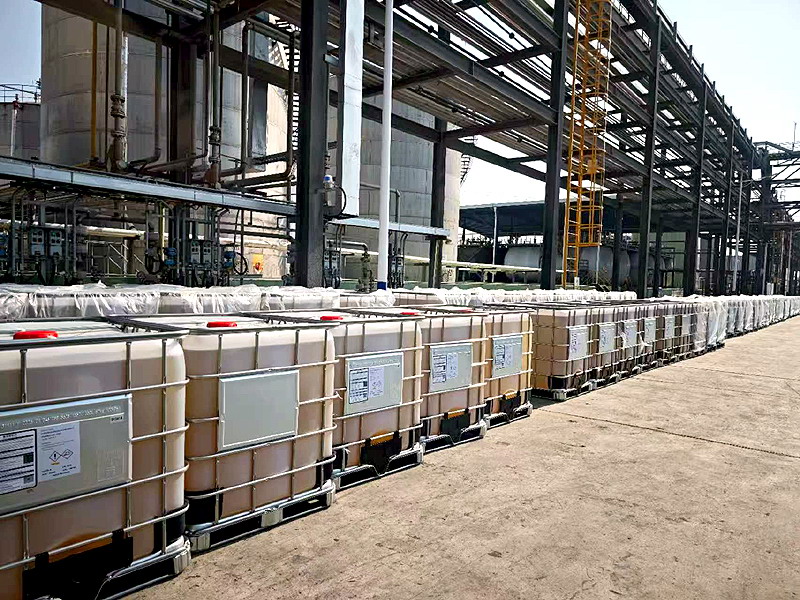
- Storage: Should be stored in a cool, dry place, away from incompatible materials, and in properly labeled containers.
Environmental Impact
- Biodegradability: Organophosphate compounds can be toxic to aquatic life and may persist in the environment. Proper disposal methods should be used to prevent environmental contamination.
Conclusion
2-ethylhexyl phosphoric acid mono-2-ethylhexyl ester is a versatile compound with potential applications in plasticizers, flame retardants, and solvent extraction processes. While it shares similarities with di-(2-ethylhexyl)phosphoric acid, it may have unique properties and uses that warrant further exploration depending on specific industrial needs. If you need more detailed information or have any specific questions regarding this compound, feel free to ask!
Our metal extractants as below, if you need any kind, please ask us:
- P204 (D2EHPA or HDEHP) This is used for first step to remove impurity for laterite nickel ore.
- DY319 high efficiency nickel cobalt co-extraction extractant for battery recycle, can take out nickel and cobalt together from Lithium battery electrolyte.
- DY272 Nickel cobalt separation extractant, it can take cobalt out from nickel cobalt solution, then leave pure nickel.
- DY988N/DY973N/DY902/DY5640 copper solvent extraction reagent.
- P507 non-ferrous metal extractant for copper, zinc, cobalt-nickel, cadmium, gold-silver, platinum group metals, rare earths and so on.
- DY377 efficient nickel and diamond separation extractant.
- DY366 Scandium extractant.
- DY316 Lithium extractant.
- DY-SS-01 extractant for iron, calcium, cadmium and scandium at different pH values.