
 English
 العربية
 azərbaycan dili
 বাংলা
বাংলা Français
 Deutsch
 Indonesia
 한국어
한국어 Melayu
 پارسی
پارسی Polski
 Português
 Română
 Русский
 Español
 Kiswahili
 ภาษาไทย
 Türkçe
 Українська
 اردو
اردو Tiếng Việt
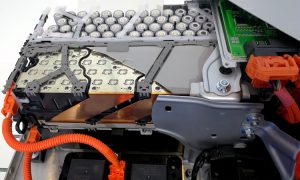
Lithium Battery Recycling Technology by DY Series Extractants. With the global shift toward electric vehicles (EVs) and renewable energy storage, the demand for lithium-ion batteries has skyrocketed in recent years. As these batteries approach the end of their life cycle, efficient recycling technologies have become increasingly crucial for mitigating environmental impact and ensuring the sustainable use of valuable resources. One such promising technology involves the use of DY series extractants, a class of solvents designed for the selective extraction of valuable metals such as lithium, cobalt, nickel, and manganese from spent lithium-ion batteries. This technology plays a vital role in the efficient recovery of critical materials while minimizing harmful environmental effects.
The Recycling Process
The process of recycling lithium-ion batteries using DY series extractants involves several stages, each aimed at breaking down the battery’s complex structure and isolating valuable materials. Below is a breakdown of how the technology works.
1. Battery Pre-Treatment and Crushing
The first step in the recycling process involves the physical disassembly and crushing of the spent lithium-ion batteries. This helps to separate the battery’s outer casing from the internal components. After crushing, the resulting mix of materials is prepared for chemical treatment, setting the stage for efficient extraction.
2. Solvent Extraction Using DY Series Extractants
DY series extractants are specialized organic solvents that are selectively designed to bind with and separate metallic ions from the battery’s components. These extractants are particularly effective at isolating metals like lithium, cobalt, and nickel from the other materials in the battery. By using a solvent extraction method, the process minimizes the risk of cross-contamination between different metal compounds and maximizes the recovery rate of each individual metal.
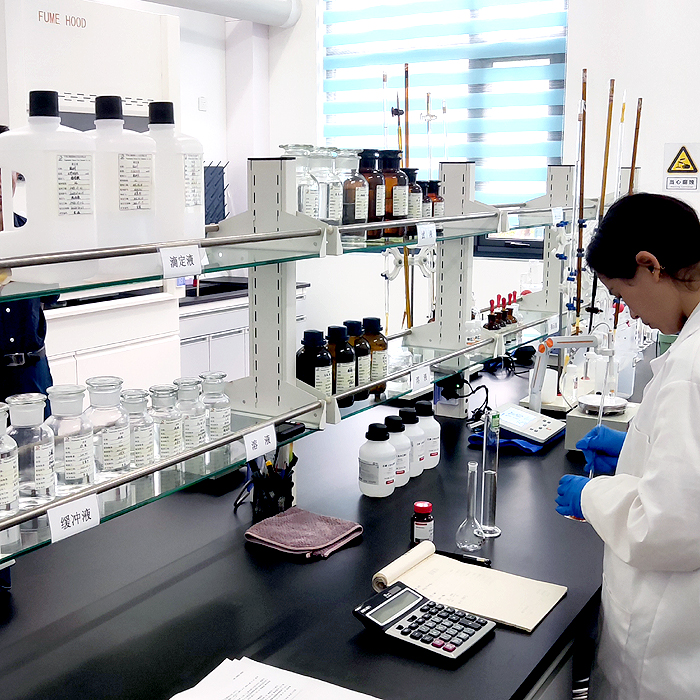
The key benefit of DY series extractants lies in their selectivity. These solvents are engineered to target specific metal ions, ensuring a high purity of the recovered materials. This means that lithium can be separated efficiently from other metals such as cobalt and nickel, which are often found together in battery cathodes. The solvents work through a process called liquid-liquid extraction, where the metal ions are transferred from the aqueous phase into the organic phase containing the extractant, making further purification steps easier.
3. Separation of Slurries and Larger Particles
Once the extraction process is completed, the material is divided into smaller fractions. The slurry, which contains dissolved metals, is separated from larger, unreacted particles. These particles, which may include residual battery components such as plastics or graphite, are filtered out and can be sent for further recycling or disposal.
4. Liquid-Solid Separation
After separating the slurry, the next step is liquid-solid separation. This process isolates the black powder, which is rich in valuable metals like lithium, cobalt, and nickel, from the remaining organic liquids. The black powder is then subjected to additional processing to refine and purify the metals, making them suitable for reuse in new battery production.
5. Recovery of Organic Solvents and Lithium Salts
The organic solvents used in the extraction process can be recovered and recycled, making the process more sustainable. This step involves distillation or other forms of solvent recovery to separate the extractants from the solution, allowing the solvents to be reused in subsequent extraction batches. Additionally, lithium salts and electrolyte solutions are isolated and purified, contributing to the overall efficiency of the recycling process.
Advantages of DY Series Extractants in Lithium Battery Recycling Technology
The use of DY series extractants in lithium battery recycling offers several notable advantages:
1. High Selectivity and Efficiency: DY series extractants are highly selective for lithium, cobalt, and nickel, which increases the purity of recovered metals and reduces the need for expensive post-recovery purification processes.
2. Environmental Sustainability: By recovering valuable metals and reusing solvents, the process reduces waste and minimizes the environmental footprint of battery disposal.
3. Economic Benefits: As global demand for rare and precious metals increases, efficient recycling methods such as those using DY extractants ensure a steady supply of these materials, reducing reliance on mining and enhancing the economics of battery production.
As the demand for lithium-ion batteries continues to grow, efficient recycling technologies will become an essential part of the global supply chain. The use of DY series extractants represents a significant advancement in the field of battery recycling, offering a sustainable and effective way to recover valuable metals. This Lithium Battery Recycling Technology not only helps to reduce environmental impact but also ensures that critical resources are reused, supporting the transition to a greener and more circular economy.
Our metal extractants as below:
- P204 (D2EHPA or HDEHP) This is used for first step to remove impurity for laterite nickel ore.
- DY319 high efficiency nickel cobalt co-extraction extractant for battery recycle, can take out nickel and cobalt together from Lithium battery electrolyte.
- DY272 Nickel cobalt separation extractant, it can take cobalt out from nickel cobalt solution, then leave pure nickel.
- DY988N/DY973N/DY902/DY5640 copper solvent extraction reagent.
- P507 non-ferrous metal extractant for copper, zinc, cobalt-nickel, cadmium, gold-silver, platinum group metals, rare earths and so on.
- DY377 efficient nickel and diamond separation extractant.
- DY366 Scandium extractant.
- DY316 Lithium extractant.