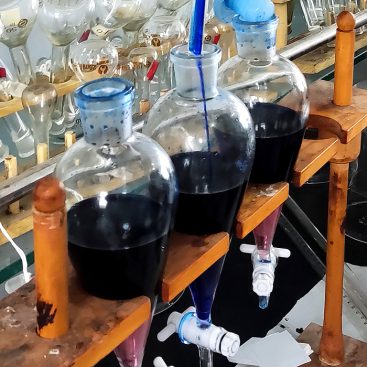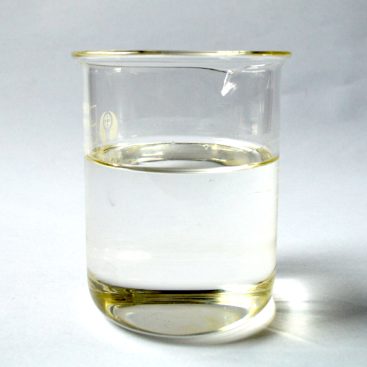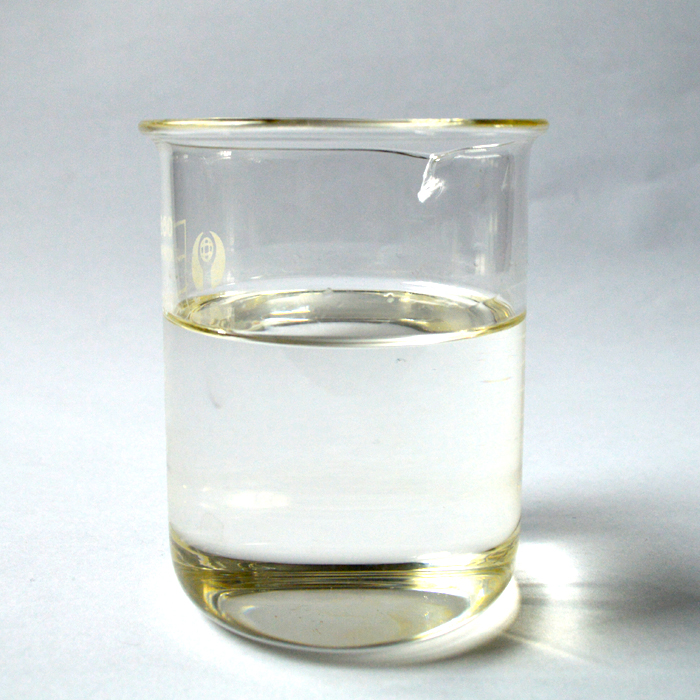
260# Solvent Oil is a specialized, narrow-boiling-range hydrocarbon fluid tailored specifically for metallurgical solvent extraction circuits.
While in the solvent extraction process, the active chemical extractants are highly viscous liquids. So, to function efficiently in an industrial mixer-settler, they must be dissolved a high-quality carrier fluid known as solvent oil.
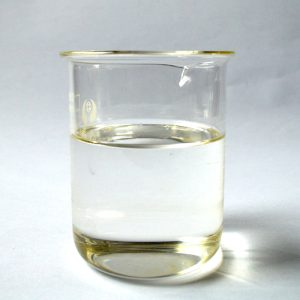
The specification of 260# Solvent Oil as below:
| Item | Quality Specification | Test Mothod |
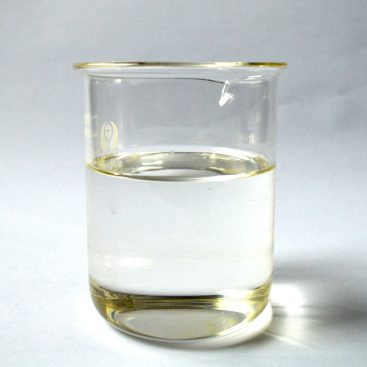
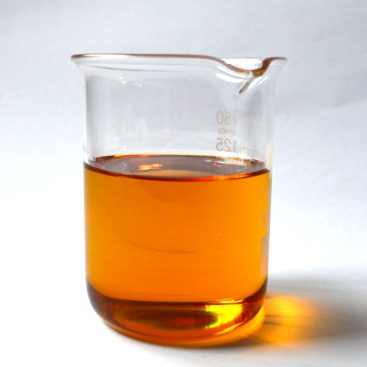
| Appearance | Colorless transparent | Visual inspection |
| Density (20°C) kg/L | 0.81 | GB/T1884 |
| Flash point (Open) °C | 87 | GB/T261 |
| Aromatics content % | 1.5 | GB/T11132 |
| Olefin content % | 1.9 | GB/T11132 |
| Sulphur content % | 3 ppm | GB/T380 |
| Initial boiling point °C | 197 | GB/T6536 |
| End boiling point °C | 248 | GB/T6536 |
260# Solvent Oil: Solvent Naphtha
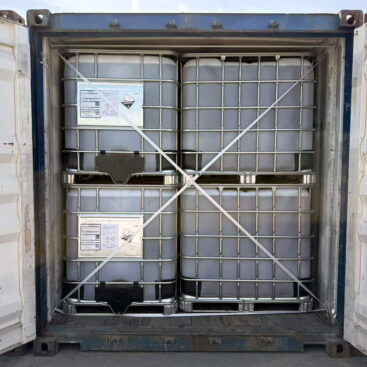
UN: 3082, Class 3, Flammable Liquid
CAS: 64742-47-8
EINECS: 265-198-5
HS: 2710123000
260# solvent oil directly governs the physical hydrodynamics of the extraction process:
1. Viscosity Reduction: Metal extractants are too thick, can’t be pumped or mixed, must be diluted to 10%–30% concentration by 260# solvent oil.
2. Phase Separation Driving Force: Because 260# oil has a low density, it has a wide density gap with the metal-laden aqueous phase. This gap allows the two liquids to separate cleanly via gravity in the settler chamber.
3. Impurity Control: By providing a clean, non-polar matrix, this high-purity diluent reduces the stability of silica and colloidal iron at the liquid-liquid interface, preventing the formation of a third phase that would interfere with the operation of the extraction system.
Key Target Applications:
1. Copper SX Circuits: Blended with hydroxyoxime reagents for both high-grade agitation leach and low-grade heap leach solutions.
2. Nickel-Cobalt Separation: Used to dilute P204, P507, or phosphinic acids in battery recycling and laterite ore HPAL circuits.
3. Rare Earth Elements (REE): Serves as the primary carrier fluid across hundreds of continuous mixer-settler stages utilizing saponified P507 systems.
By the way, our metal extractants as below, if you need, please feel free to ask us:
- P204 (D2EHPA or HDEHP) This is used for first step to remove impurity for laterite nickel ore.
- P507 non-ferrous metal extractant for copper, zinc, cobalt-nickel, cadmium, gold-silver, platinum group metals, rare earths and so on.
- DY272 Nickel cobalt separation extractant, it can take cobalt out from nickel cobalt solution, then leave pure nickel.
- DY984N copper solvent extraction reagent.
- QL256-2 Nickel Cobalt Manganese co extraction Extractant.
- DY316 Lithium extractant.
- DY319 high efficiency nickel cobalt co-extraction extractant for battery recycling, can take out nickel and cobalt together from Lithium battery electrolyte.
- DY366 Scandium extractant.
- DY377 efficient nickel and diamond separation extractant.